
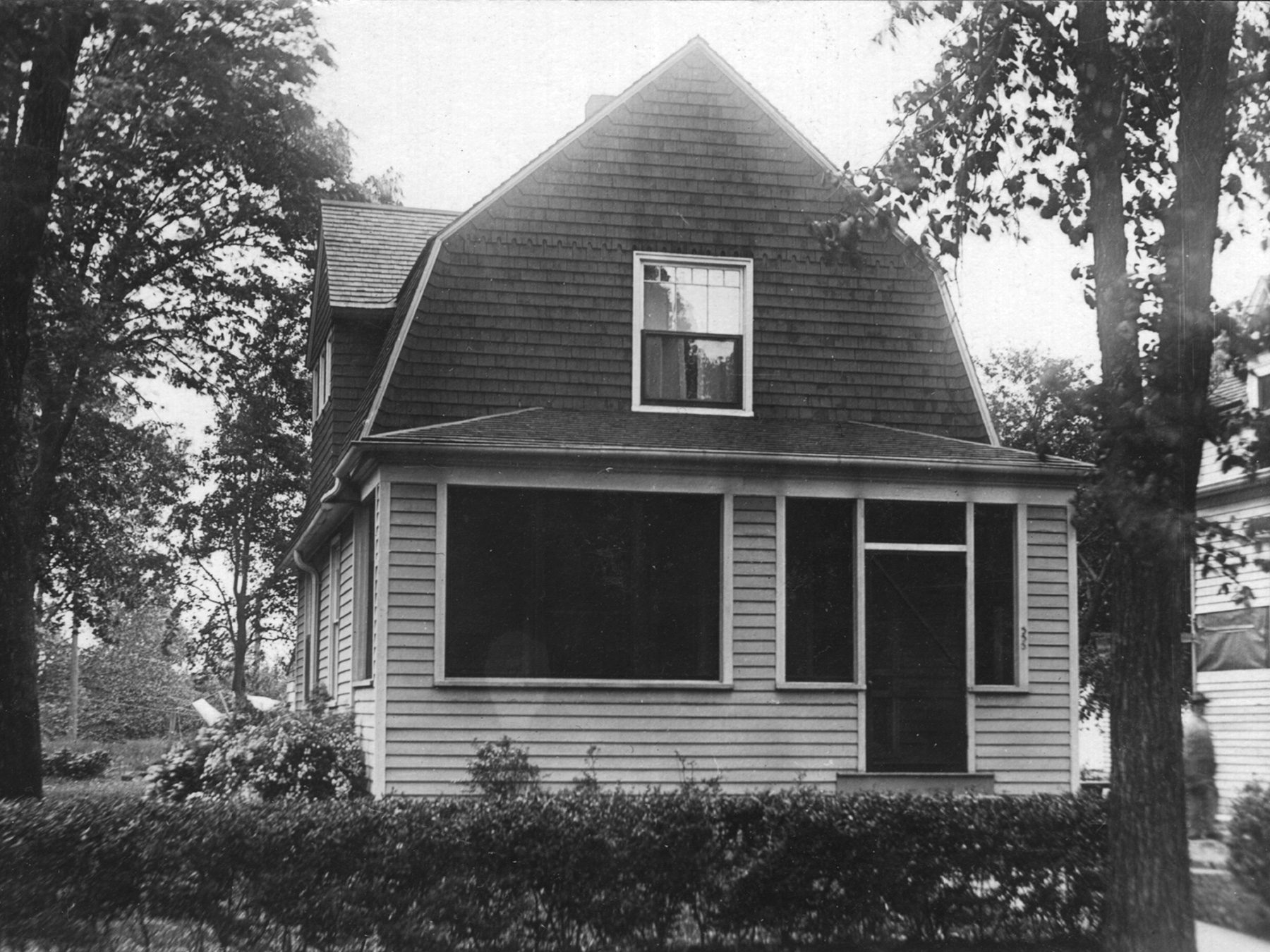
333 Ivy Court is an example of a Dutch Colonial Revival home. In 1891, Franklin Burnham designed three modest homes on Ivy Court for contractors of the Kenilworth Company. 333 Ivy Court is the only one surviving. The home was built for George and Angela Kruse. Mr. Kruse was a builder who helped construct many structures in the village. Prior to working for the Kenilworth Company, Kruse worked as a tenant farmer in Kenilworth. During that time, he and his wife lived in a cottage at 329 Sheridan Road that was razed in 2013.
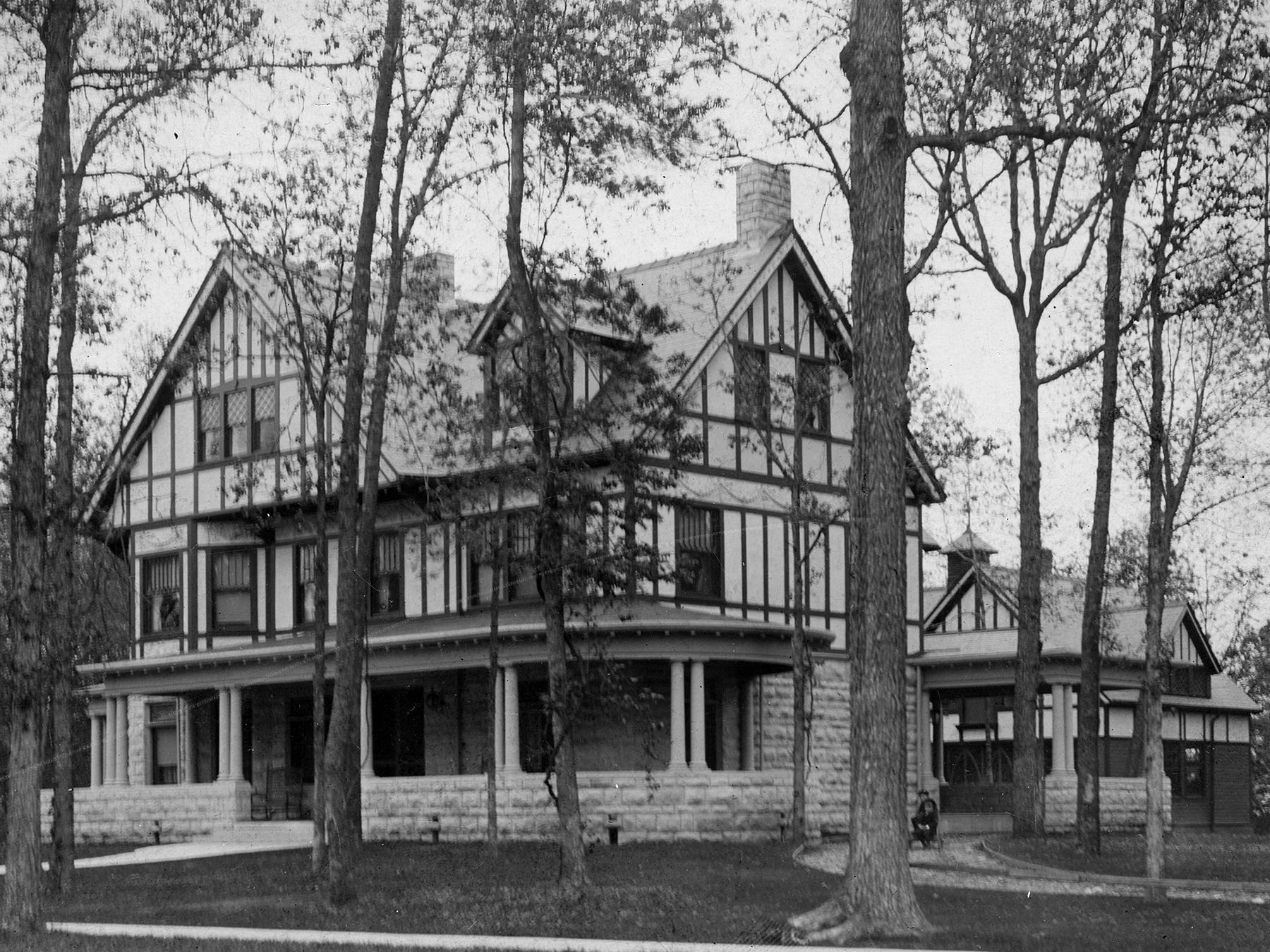
220 Melrose Avenue was designed by Franklin Burnham in the Queen Anne style. The home is a unique example of a Queen Anne with the half-timbering on the second and third floors. 220 Melrose Avenue was the home of James and Nora Culbertson. James Culbertson was a lumber executive who was active in the civic life of early Kenilworth. He served as the first village president and contributed generously to the construction of the Kenilworth Assembly Hall in 1906 and an addition to the Kenilworth Union Church in 1909.
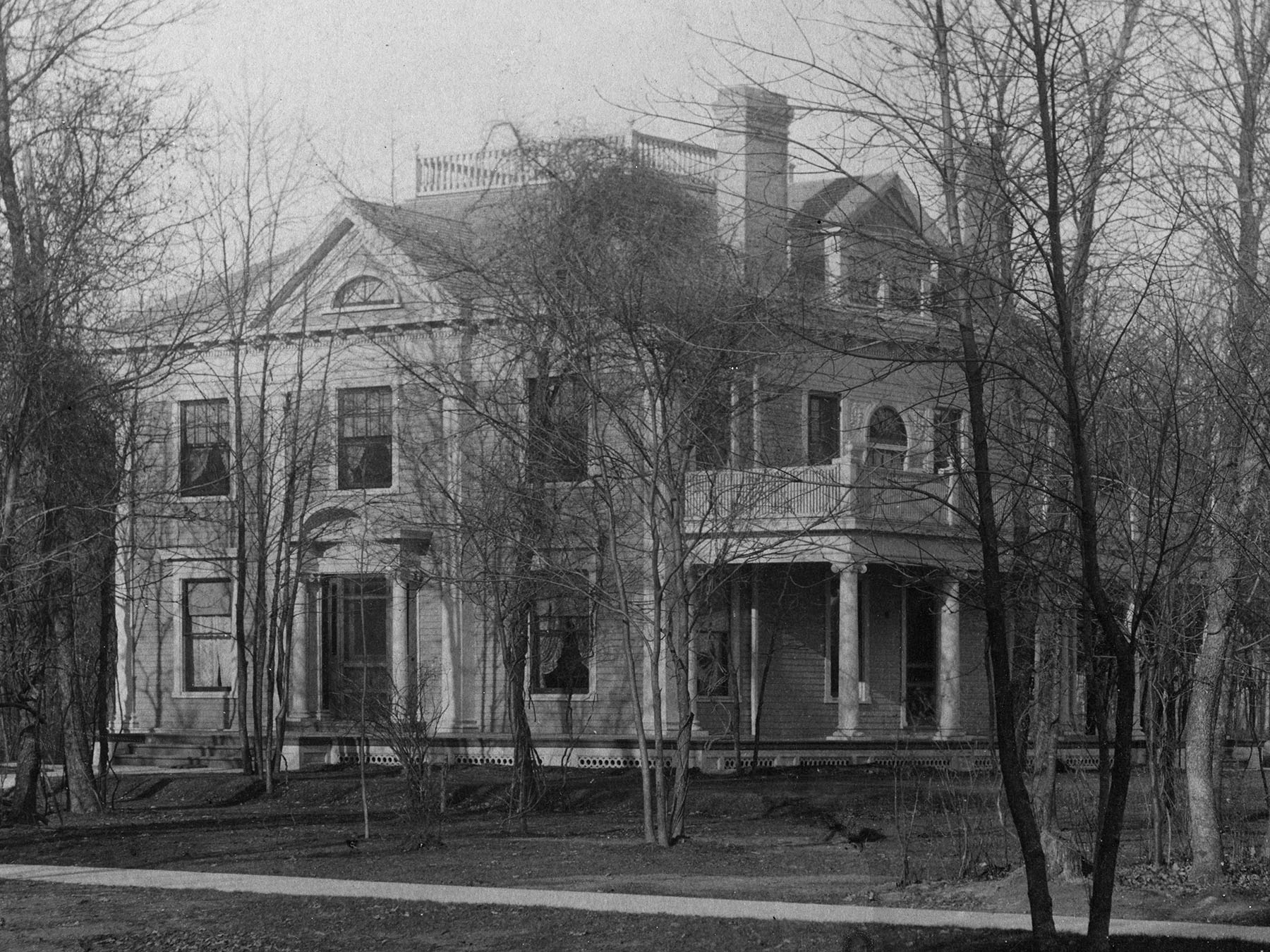
417 Warwick Road was built for Samuel and Abigail Barry, the parents-in-laws of Joseph Sears. The home was designed by Franklin Burnham in the Classical Revival style. Following Joseph Sears’ death in 1912, Helen Sears and some of their children moved into 417 Warwick Road. The home remained in the Sears family through the 1940s. Since the 1980s, the home has been owned by the Kenilworth Union Church. In 2022, the Kenilworth Union Church announced plans to raze the structure as part of a larger facility renovation project.
Similar Centennial Homes: 149 Kenilworth Avenue (c. 1895), 219 Sheridan Road (c. 1913)
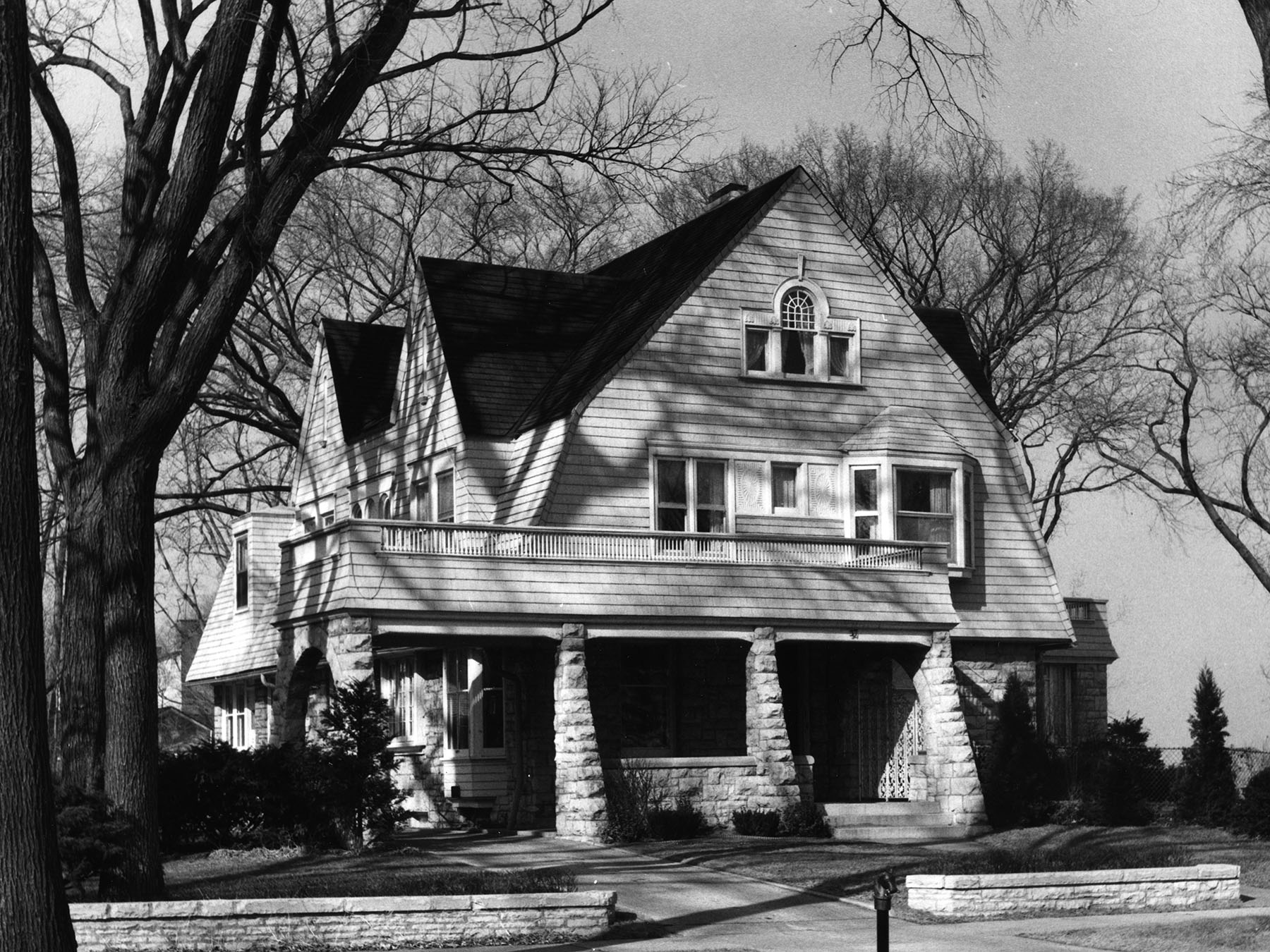
37 Kenilworth Avenue was the third home built in Kenilworth. Franklin Burnham designed the home for himself and his wife, Adelia Burnham. Like the first two homes built in the village, 37 Kenilworth Avenue is an example of the Queen Anne style. Before joining the Kenilworth Company, Franklin Burnham was an accomplished architect. His firm, Edbrooke and Burnham, a partnership with architect Willoughby J. Edbrooke, completed numerous commissions, including the 1889 Georgia State Capitol.
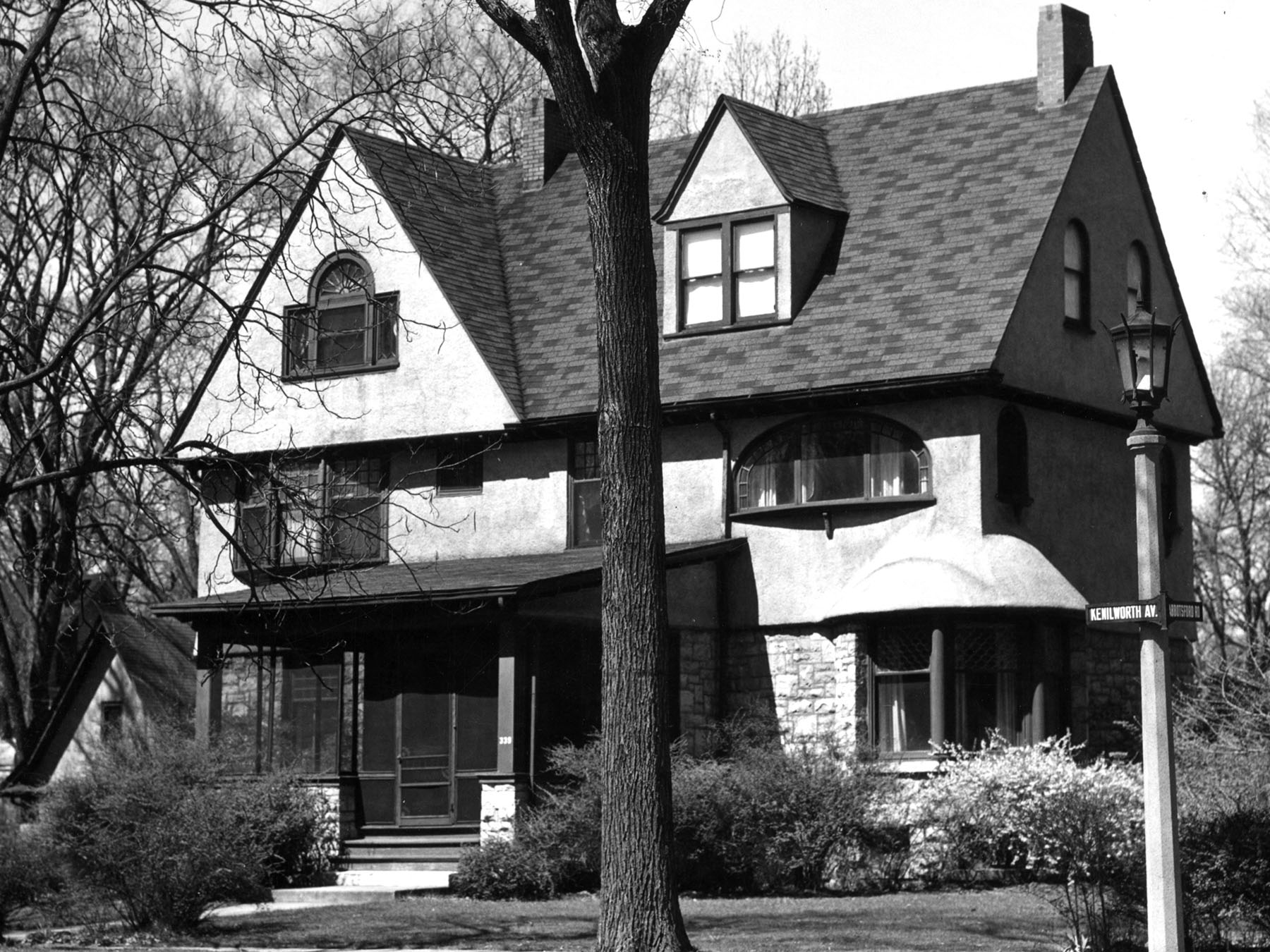
339 Kenilworth Avenue was the second home built in Kenilworth. The home was built for Charles and Emma Smith. Dr. Charles Smith was the secretary of the Kenilworth Company, who oversaw sales. He also hosted prospective buyers in this home. His handwriting forms the script of the “Kenilworth” logo as seen on the Kenilworth train station sign. Franklin Burnham designed 339 Kenilworth Avenue in the Queen Anne style.
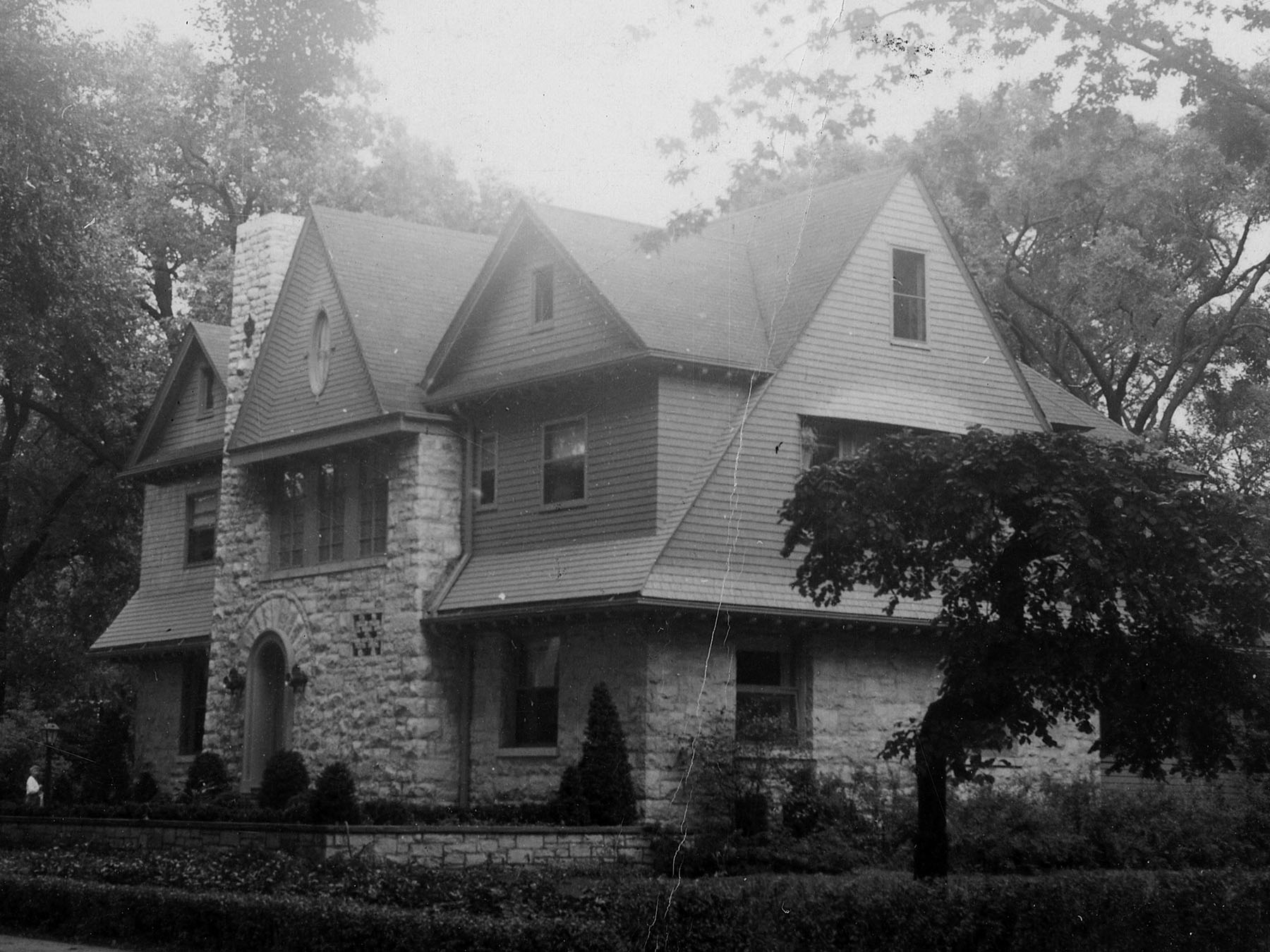
354 Kenilworth Avenue was the first home built in Kenilworth. The home was designed by Franklin Burnham for William H. H. and Kate Sears. William H. H. Sears was the treasurer of the Kenilworth Company and the half-brother of Joseph Sears. In 1893, at just twelve years old, William and Kate’s son, John Sears, founded a weekly newspaper, The Kenilworth News. The publication chronicled daily life in early Kenilworth. Copies of the newspaper are available in the permanent exhibit. At its base, 354 Kenilworth Avenue incorporates rusticated stonework, an architectural detail also found in other Queen Anne style residences designed by Franklin Burnham.
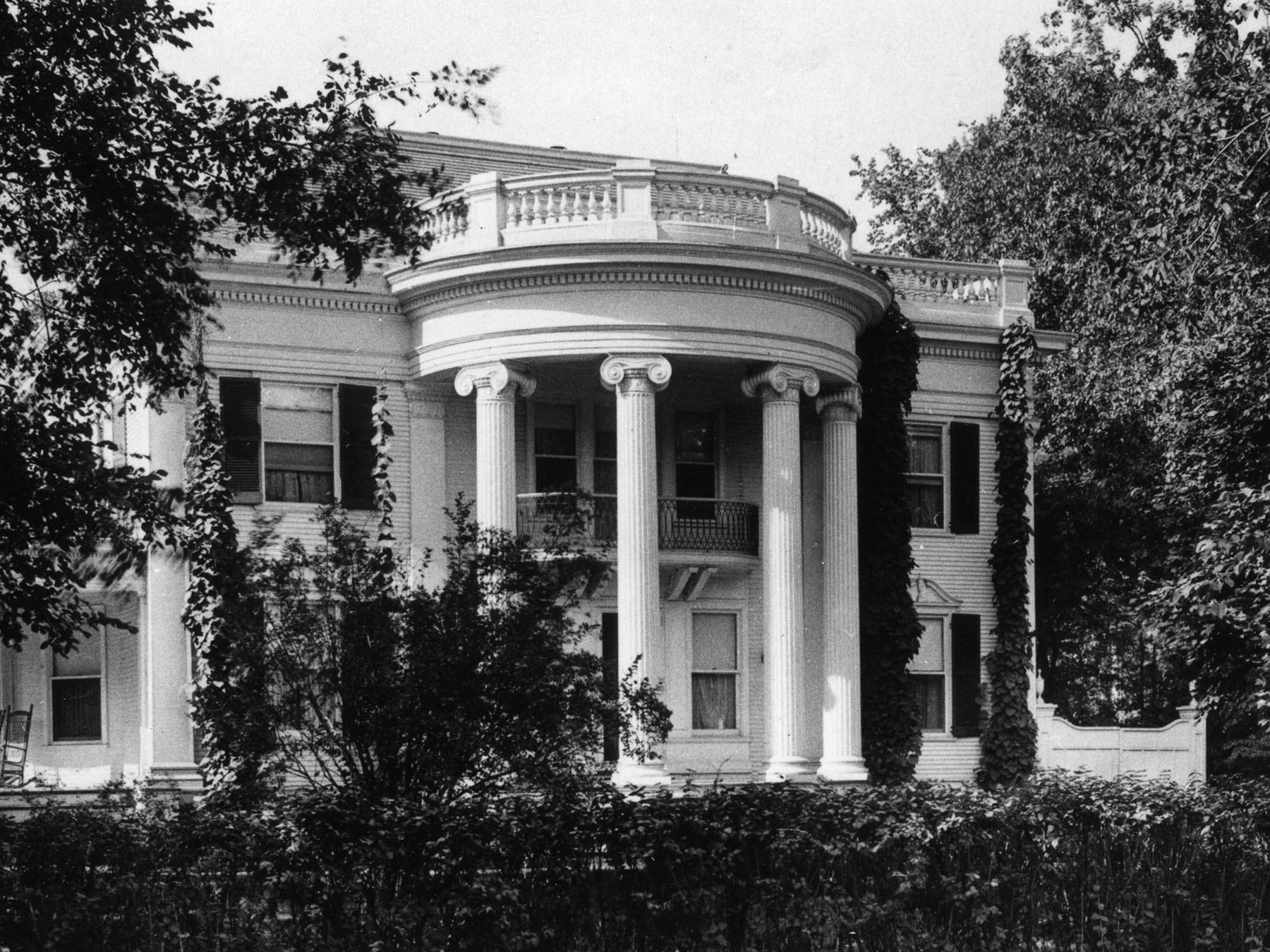
326 Essex Road was built for Frank and Harriet Elizabeth Root in 1896. Frank Root was a music publisher whose brother, Walter Root, also lived in Kenilworth. In 1900, A. Shreeve Badger, a lumber merchant, and Sarah Frances Cowles Badger moved into the residence. The Badgers kept horses and a donkey on the property. In 1992, the home was listed on the National Register of Historic Places.
326 Essex Road was designed in the Classical Revival style, which gained popularity following its prominent use in the White City of the 1893 World’s Columbian Exposition. Inspired by classical Greek and Roman architecture, Classical Revival homes feature symmetrical facades with a central entrance and low-pitched or flat roofs. The entryway often includes a pediment, portico, or a porch. The homes are adorned with columns, pilasters, balustrades, and other classical detailing.
The Kenilworth Historical Society holds original architectural drawings of the house, which include an inscription at the bottom that reads: “The Franklin Burnham Co. Architects, Chicago, ILL.” Although a few secondary sources attribute the design to Daniel Burnham, the renowned Chicago architect, it is more likely that Franklin Burnham was the actual architect of the home. The two are of no relation.
Similar Centennial Home: 236 Cumnor Road (c. 1905)