

In 1905, George Maher designed 521 Roslyn Road for Francis and Nannie Lackner. Modeled after their parents’ home next door at 533 Roslyn Road, built just a year earlier, 521 Roslyn represents a subtle departure from Maher’s Prairie designs in favor of the Arts and Crafts style. Notable Arts and Crafts features include exposed roof beams that emphasize craftsmanship, restrained ornamentation, and an eclectic use of materials, such as the combination of brick and stucco on the exterior.
Similar Centennial Homes: 533 Roslyn Road (1904) and 338 Woodstock Ave (1908), both by George Maher.
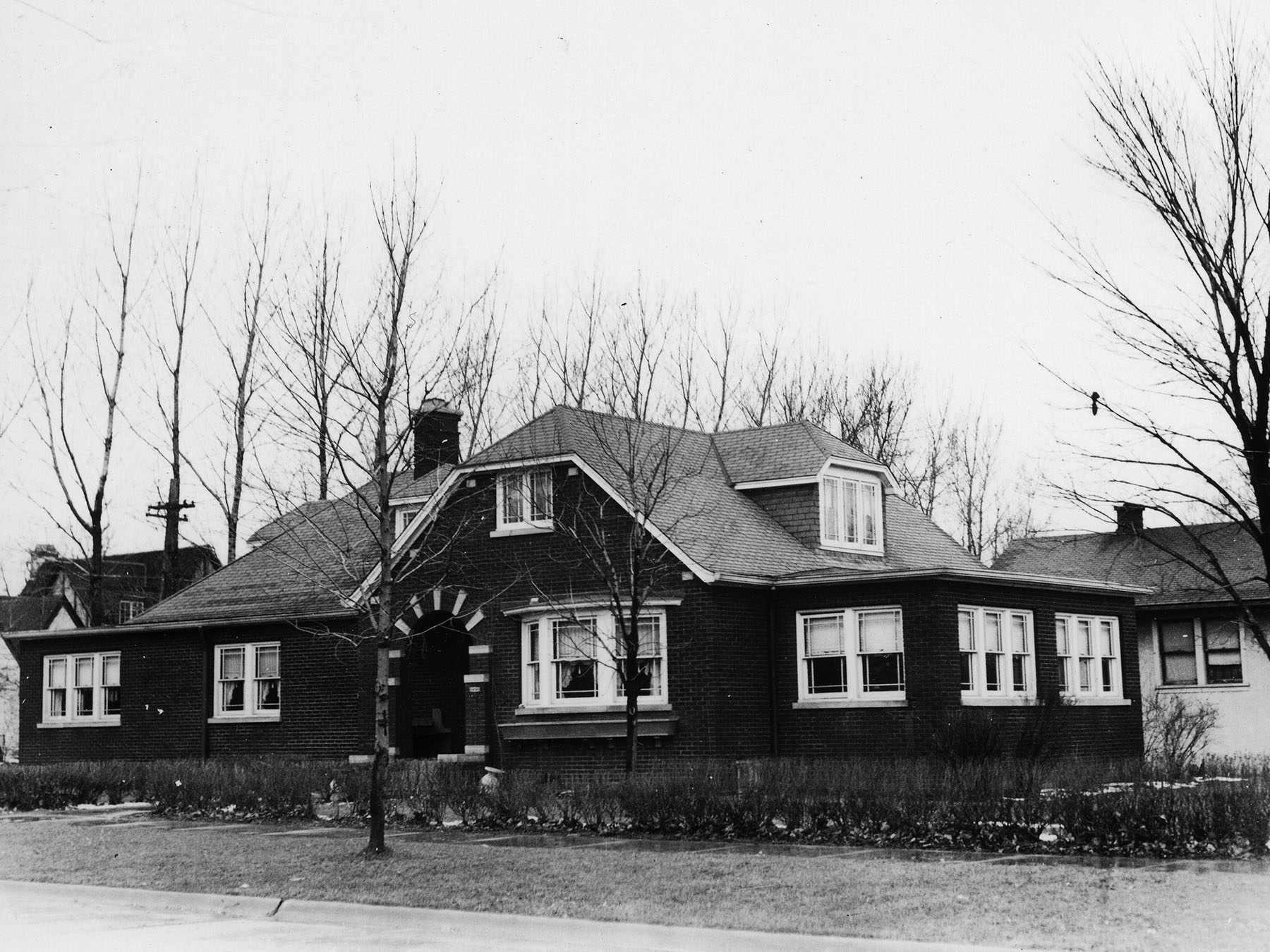
635 Wayland Avenue is the only home designed by George Maher in the western part of Kenilworth. Built in the Arts and Crafts style for Harry Lynn, this red brick bungalow originally had a jerkinhead roof above its front entrance. This type of roof combines a gable and a hipped roof. The jerkinhead roof has since been removed from the home. Located in the West Kenilworth subdivision, homes here were built from the 1890s through the 1950s.
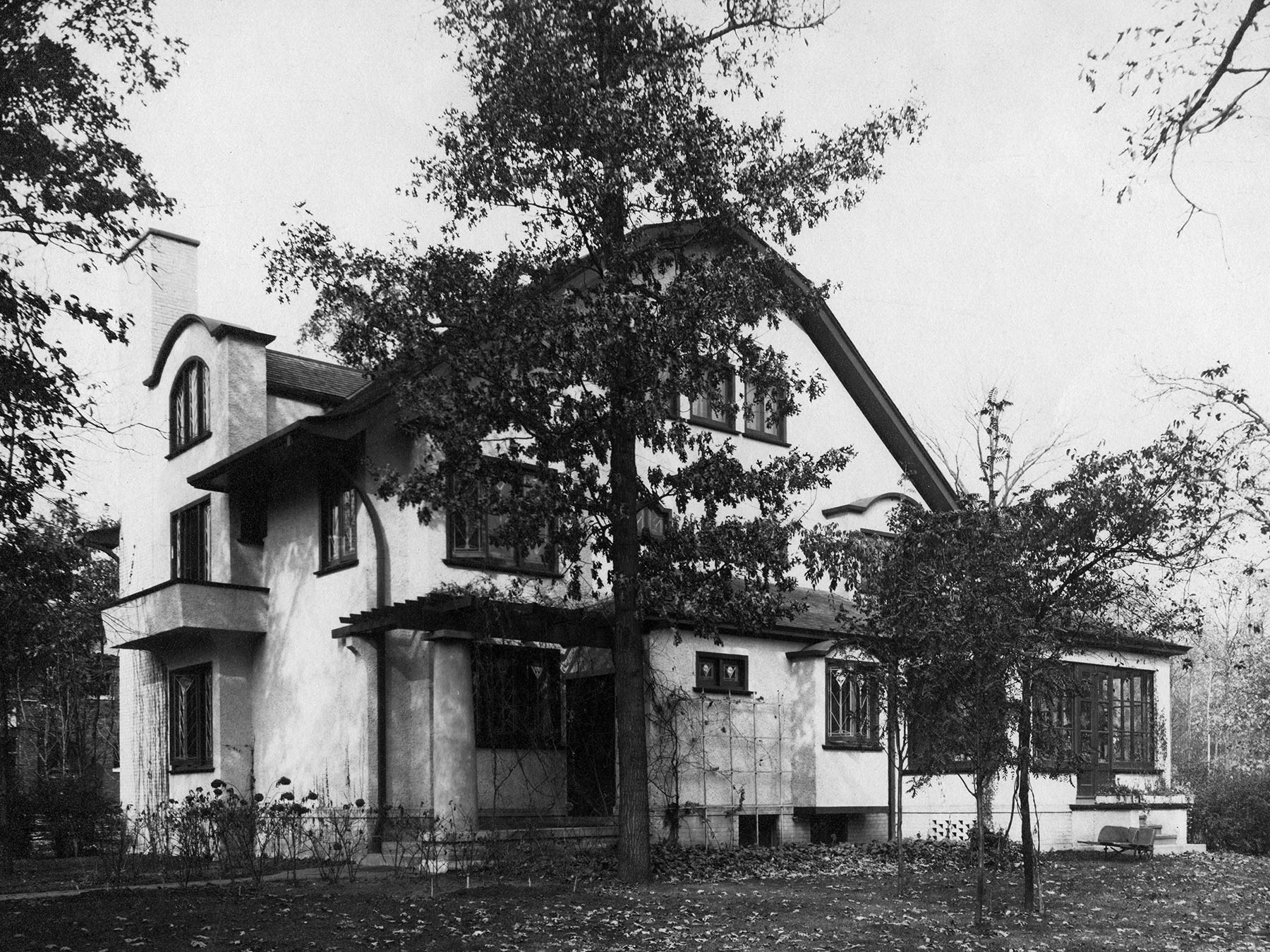
In 1904, George Maher designed 533 Roslyn Road for Franklin and Meta Corbin. Meta Corbin’s parents, Francis and Nannie Lackner, liked the home so much that they hired George Maher to design a similar home next door at 521 Roslyn Road in 1905. Built in the Arts and Crafts style, both homes have dramatic gables, entryway pergolas, and extended second story bay windows with balconies.
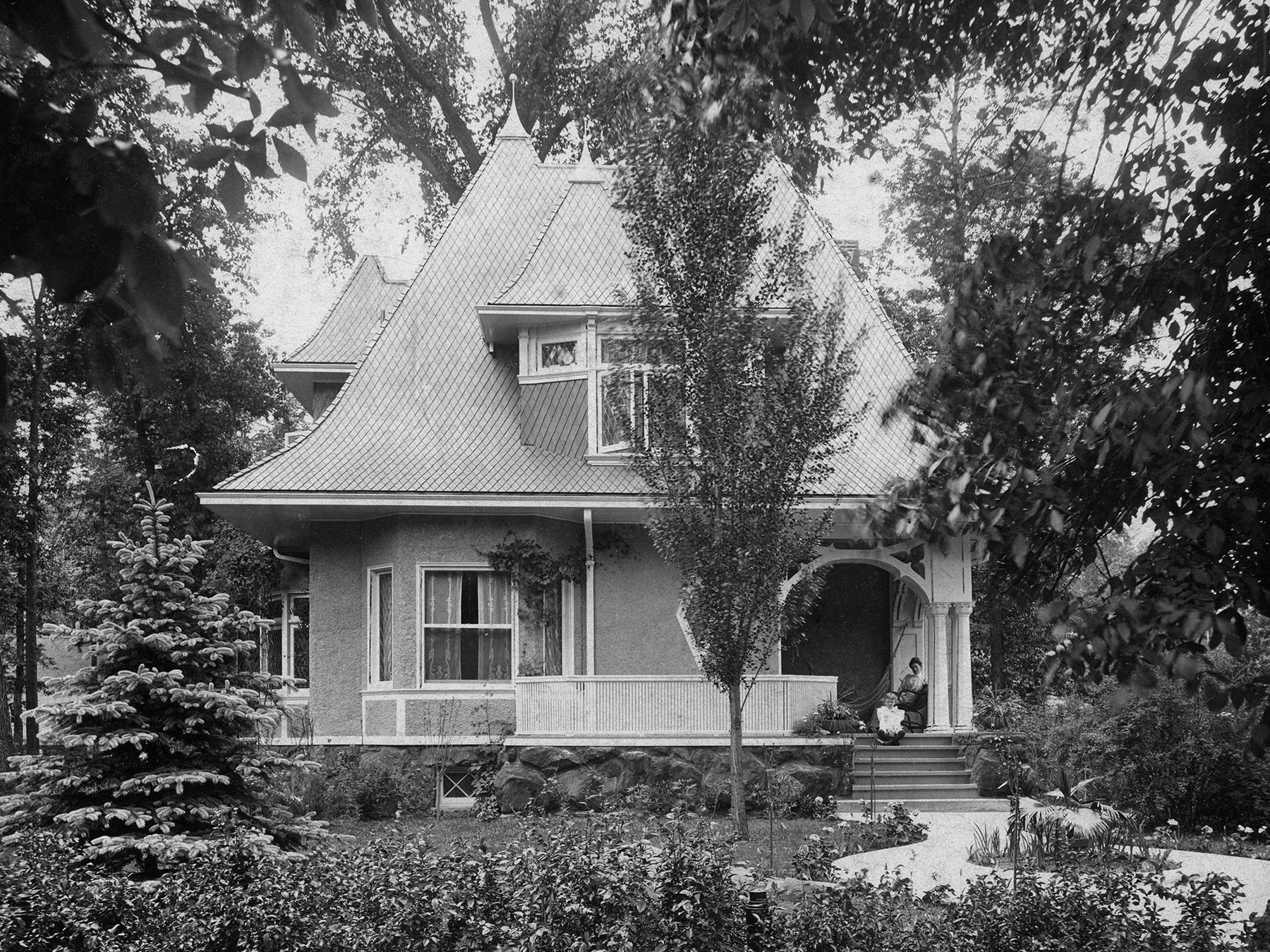
424 Warwick Road was George Maher’s own home that he designed when he was 29 years of age. The home blends various architectural styles, including Victorian and Arts and Crafts. The motif in 424 Warwick Road is the diamond pattern, found in the individual windowpanes, in the front porch window, and in the roof shingles. In 1979, the home was listed on the National Register of Historic Places.
George Maher (1864-1926) and his wife, Elizabeth Brooks Maher (1866-1963), were very active members of the community. Their only child, Philip Brooks Maher (1894-1981), was also an architect. He designed a few homes in Kenilworth, as well as the Stuart Memorial Building in 1972. 424 Warwick Road remained in the Maher family until the 1980s.
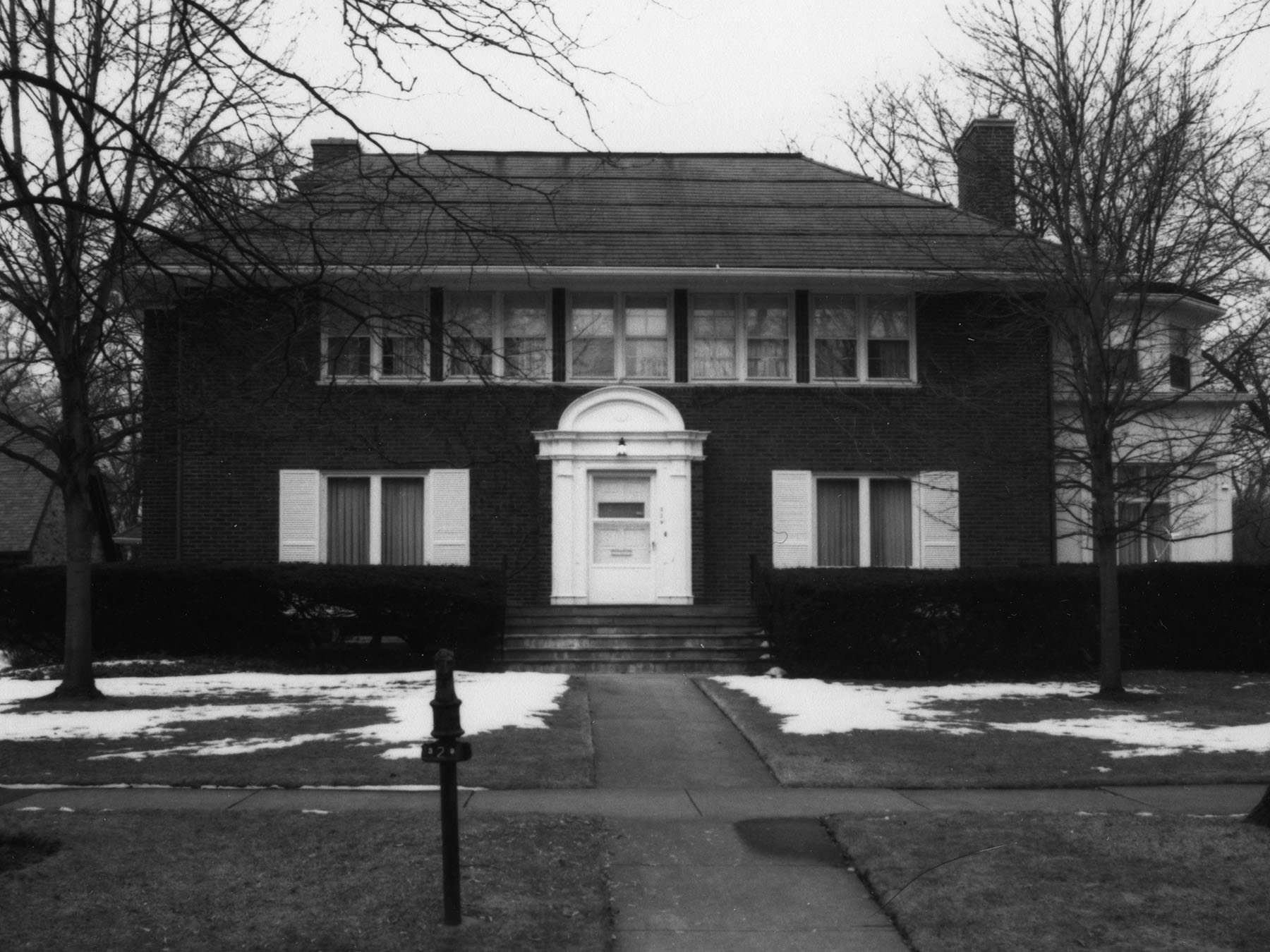
329 Warwick Road was built for Benjamin and Gertrude Odell by George Maher in 1912. Benjamin Odell was an attorney. The Prairie-style residence is a symmetrical block constructed of red brick with a horizontal grouping of windows on the second floor. The home also has horizontal striations or streaks in its roof, a feature of Maher’s work that have been removed from many homes except this one. In 1914, famed Chicago landscape architect Jens Jensen was hired to complete a design for the home. Jensen completed several landscape designs in Kenilworth, most notably Mahoney Park in 1933.
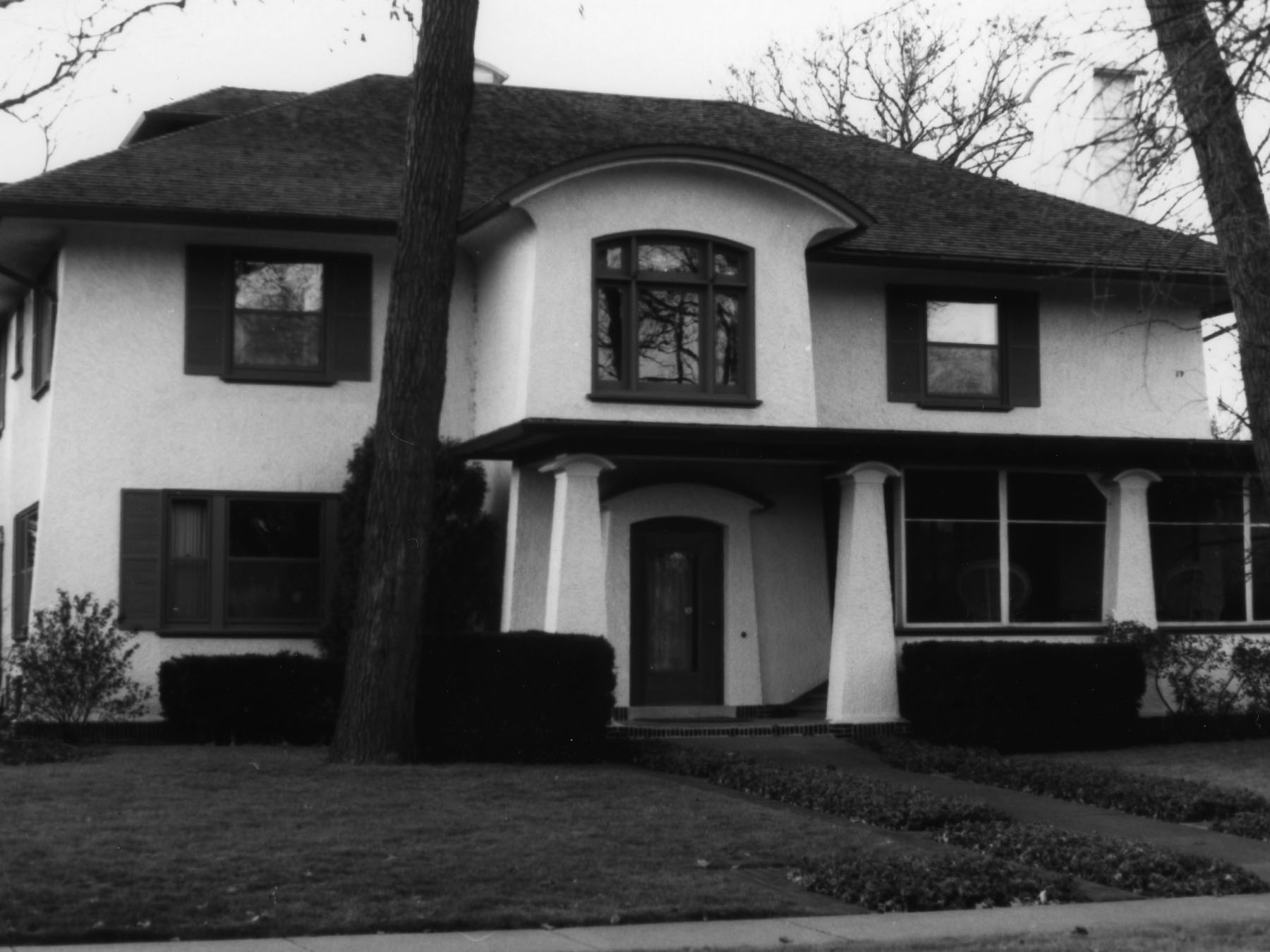
305 Kenilworth Avenue was built for Frank and Lillian Ely by George Maher in 1910. Unlike other Prairie-style structures, 305 Kenilworth Avenue has a cubic shape that can also be found in other Maher designs in Kenilworth. This blocky form first appeared in Maher’s work in his famed John Farson House in Oak Park, Illinois.
305 Kenilworth Avenue serves as a notable example of Maher’s “motif-rhythm theory”, wherein a symbol, often a plant or geometric design, is chosen as a decorative element incorporated throughout the residence. There are two motifs present in 305 Kenilworth Avenue: first, the partially flattened arch, which can be found in the column capitals of the porch, in the door frame, and in the hood over the second-floor window; and, second: the sloping form, seen in the overall shape of the house and in the porch columns.
Similar Centennial Homes: 336 Essex Road (1896), 322 Woodstock Avenue (1900), and 307 Melrose Avenue (1910), all by George Maher.
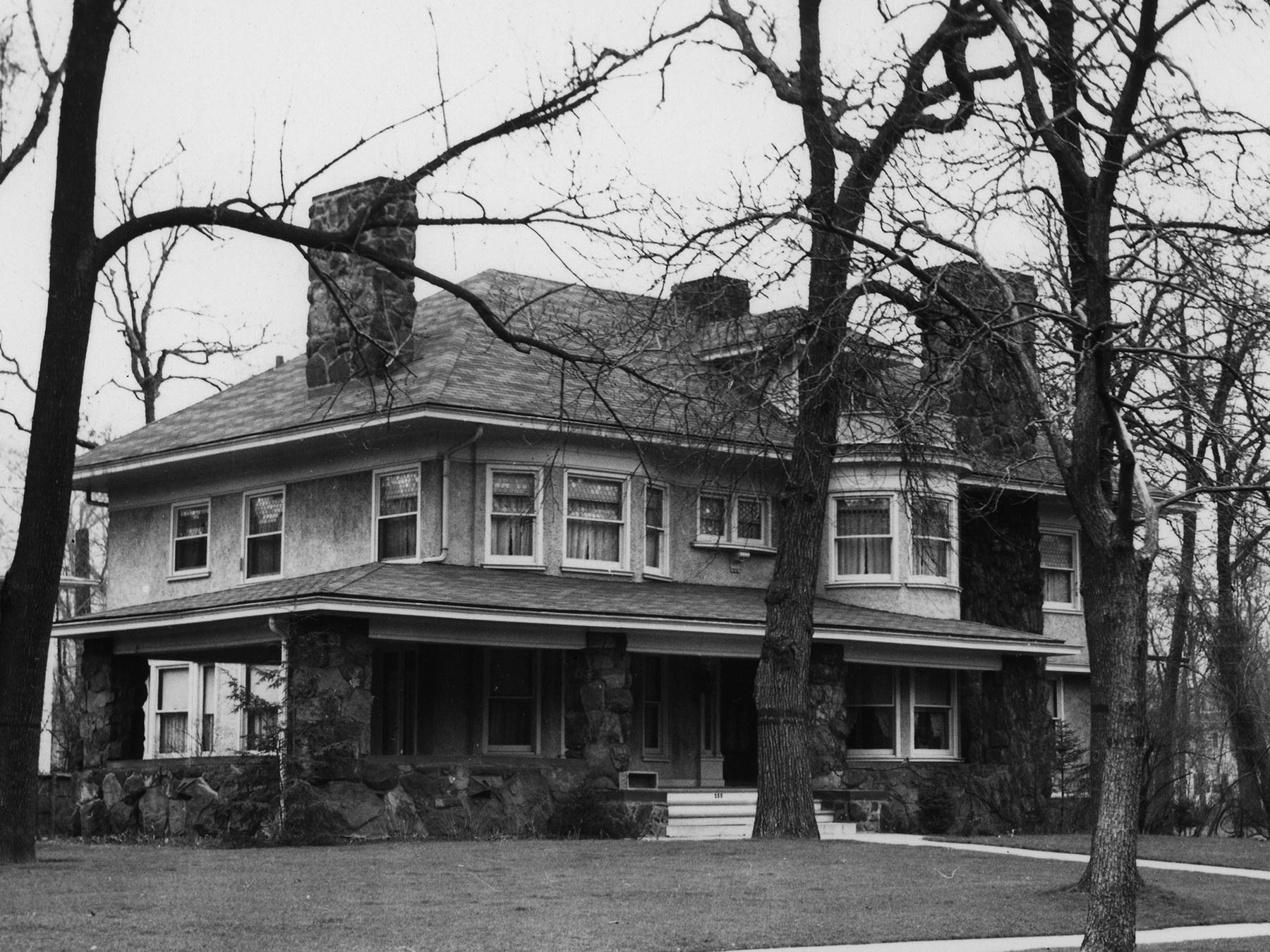
255 Melrose Avenue was built for Edgar and Katherine Barratt in 1896. Edgar Barratt was a civil engineer. Designed by George Maher, 255 Melrose Avenue is considered one of Maher’s transitional buildings. It combines Queen Anne elements, present in the rubblestone base and chimneys, semi-circular tower, and asymmetrical facade with features of the emerging Prairie Style, such as the broad hipped roof, wide eaves, and rectangular building shape.
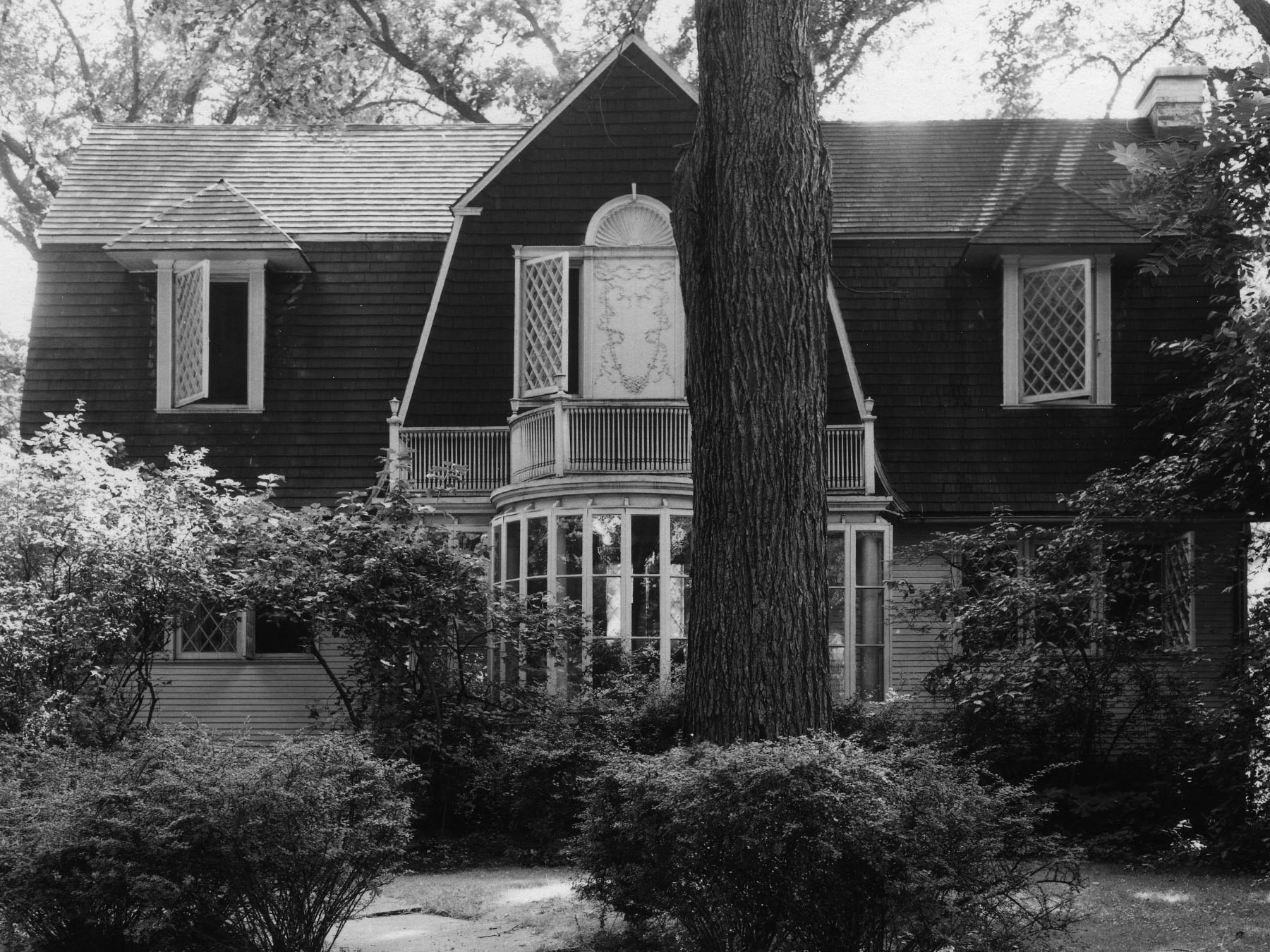
314 Abbotsford Road was designed by George Maher for Morton and Clara Gould. The home contains a gambrel roof, a distinctive feature of the Dutch Colonial Revival style. A gambrel roof has two slopes on each side, with the lower slope having a steeper pitch than the upper slope. Notably, the facade of this home features a gambrel-shaped gable. Other characteristics of the Dutch Colonial Revival style include a symmetrical design, dormer windows, shutters, and a front porch or portico.
Similar Centennial Homes: 336 Abbotsford Road (1891) by George Maher and 415 Cumnor Road (c. 1908)