
Kenilworth Centennial Homes
The Suburban Ideal
1900 – 1914
An Experimental New Style
An Experimental New Style, 1900 – 1914
At the turn of the century, a group of Chicago architects, known as the Prairie School, revolutionized American residential design. Frank Lloyd Wright led the charge, but Kenilworth had its own pioneer: George Washington Maher.
Maher’s bold implementations of Prairie School design greatly contributed to Kenilworth’s collection of significant architectural styles and left his indelible mark on Kenilworth. Maher designed over 40 structures between 1893 and 1924, including; the Kenilworth Assembly Hall, early Kenilworth schools, the Kenilworth fountain and adorning urns, and his own home on Warwick Road.
Prairie School homes embraced the horizontal. Low pitched hipped roofs, broad overhanging eaves, and ornamental windows integrated these homes with the surrounding landscape.
Within Kenilworth during this period,
the Arts and Crafts or Craftsman
style was also popular. Representing a
departure from the elaborate nature of
the Queen Anne style and the formalism
of Classical Revival architecture, the
Arts and Crafts style emphasized simple
designs and natural materials.
154 Warwick Lane, 1926
736 Roger, 1926
708 Kent, 1925
712 Kent, 1925
716 Kent, 1925
721 Kent, 1925
646 Kenilworth Terrace, 1925
544 Earlston, 1926
567 Earlston, 1926
602 Earlston, 1926
605 Earlston, 1925
614 Earlston, 1926
511 Brier, 1925
551 Brier, 1926
554 Brier, 1926

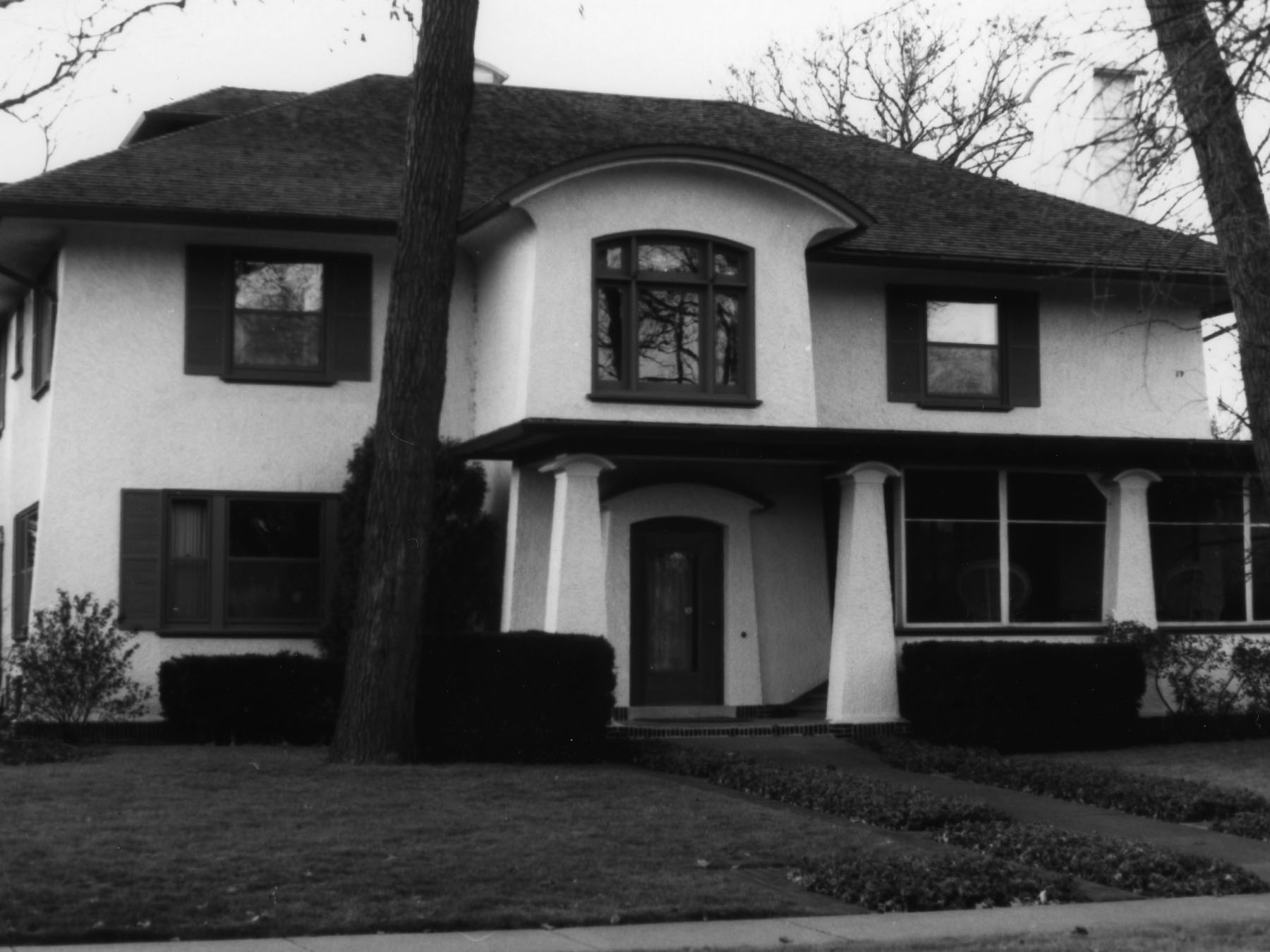
In 1905, George Maher designed 521 Roslyn Road for Francis and Nannie Lackner. Modeled after their parents’ home next door at 533 Roslyn Road, built just a year earlier, 521 Roslyn represents a subtle departure from Maher’s Prairie designs in favor of the Arts and Crafts style. Notable Arts and Crafts features include exposed roof beams that emphasize craftsmanship, restrained ornamentation, and an eclectic use of materials, such as the combination of brick and stucco on the exterior.
Similar Centennial Homes: 533 Roslyn Road (1904) and 338 Woodstock Ave (1908), both by George Maher.
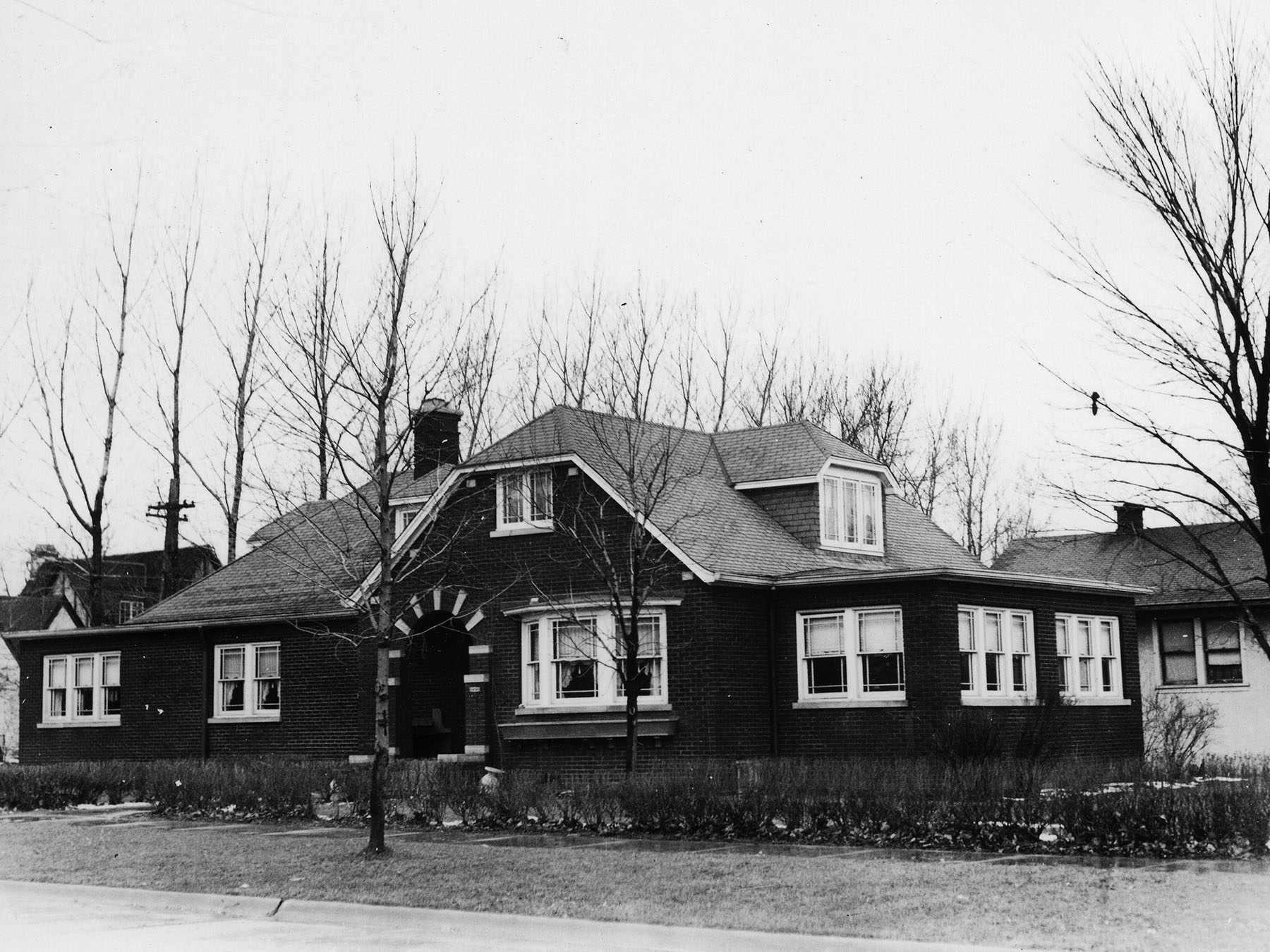
635 Wayland Avenue is the only home designed by George Maher in the western part of Kenilworth. Built in the Arts and Crafts style for Harry Lynn, this red brick bungalow originally had a jerkinhead roof above its front entrance. This type of roof combines a gable and a hipped roof. The jerkinhead roof has since been removed from the home. Located in the West Kenilworth subdivision, homes here were built from the 1890s through the 1950s.
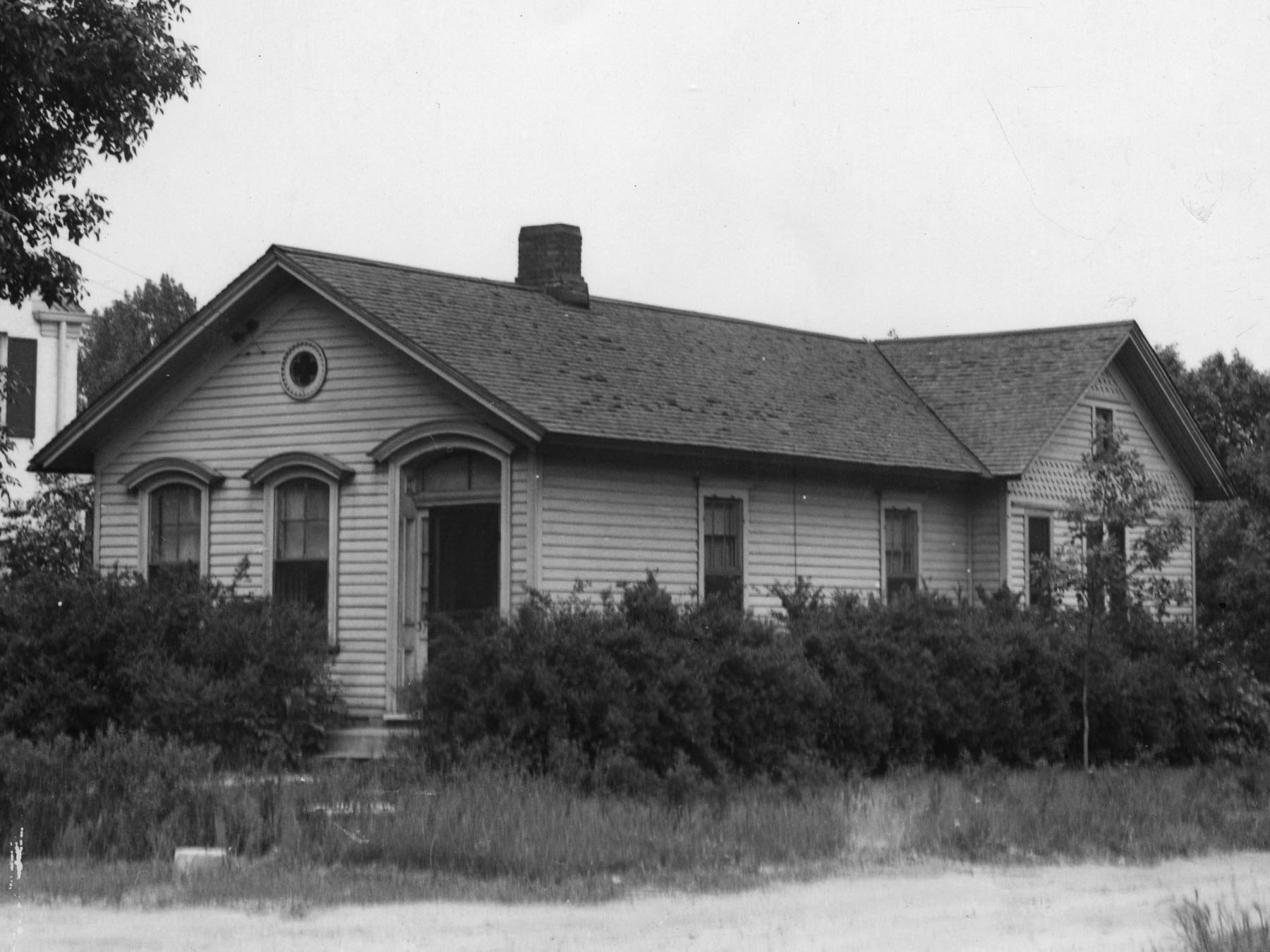
Before the annexations of the 1920s, there were a handful of existing homes on the west side of Kenilworth. Most of these homes were not designed by trained architects. Along the southern portion of Ridge Road, there is a small concentration of homes from the late 19th century. 371 Ridge Road is an example of one of these homes. Notably, it is the only home in Kenilworth designed in the Italianate style, which was inspired by Italian farmhouses.
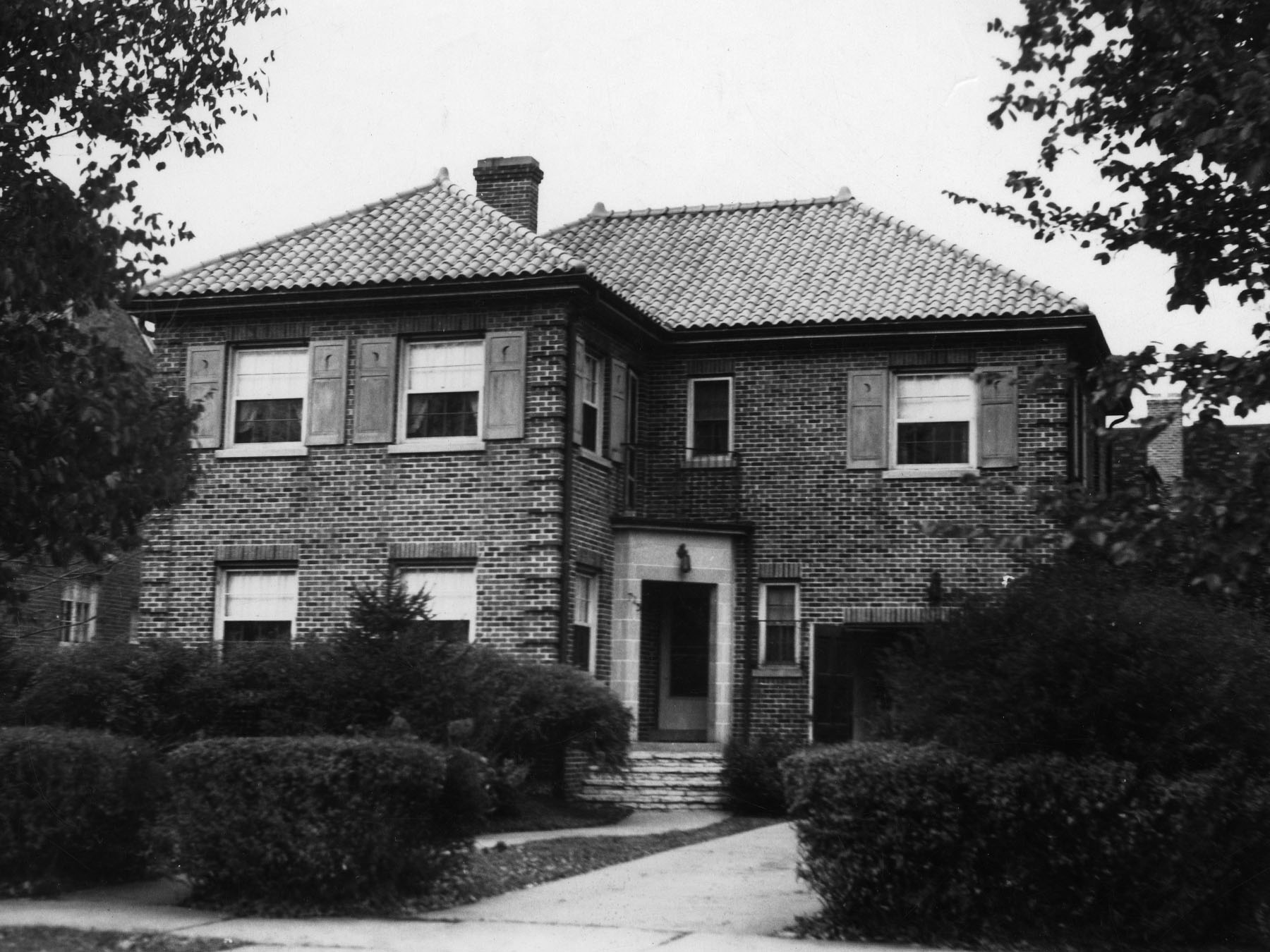
713 Maclean Avenue is an example of a smaller Colonial Revival style residence. The Brier Street subdivision contains many Colonial Revival and Tudor Revival homes. This subdivision was developed in the latter half of the 1920s through the 1950s. Designed by H. Bowen, 713 Maclean Avenue’s first homeowners were Orville and Mere Warwick.
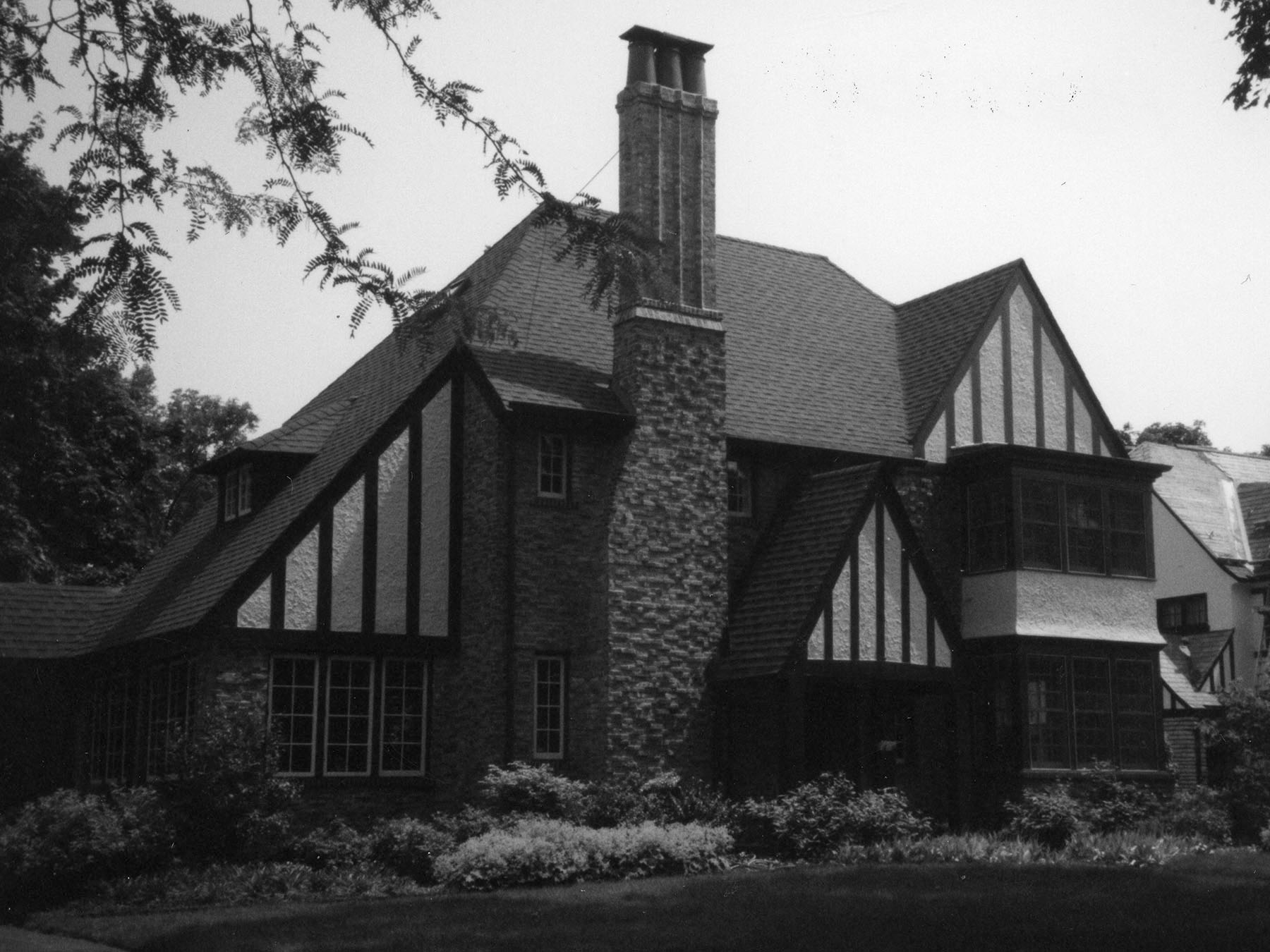
132 Abingdon Avenue was built as a speculative house in the Tudor Revival style by A. L. Klewer. Tudor Revival homes are often made of brick or stone and are asymmetrical with steeply pitched roofs, decorative half-timbering, and quaint detailing. According to a 2008 survey, Tudor Revival is the second most prevalent architectural style in Kenilworth. 132 Abingdon Avenue is located in the Kenilworth Beach subdivision. Homes in this subdivision were largely constructed in the 1920s. The first homeowners were Jacques and Jeannette de La Chapelle.
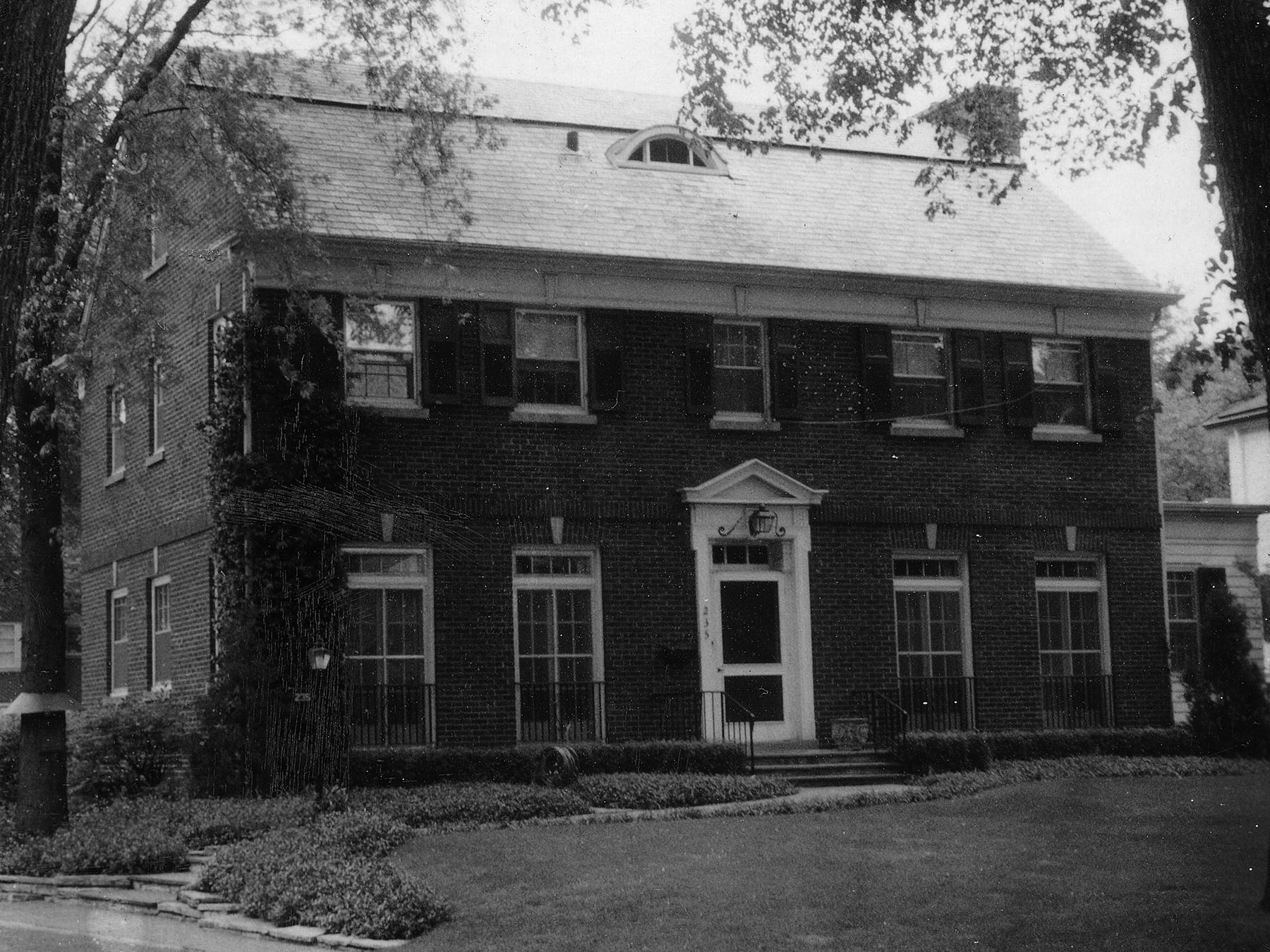
235 Raleigh Road was built for Viola Jordan in the Colonial Revival style by Raymond Gregari. Beginning in the 1920s, Colonial Revival architecture gained considerable popularity. Many of Kenilworth’s Colonial Revivals from this period, such as this home, have a brick exterior, as opposed to clapboard siding. According to a 2008 survey, Colonial Revival is the most prevalent architectural style in Kenilworth. 235 Raleigh Road sits on the former site of the Kenilworth Golf Club, a nine-hole golf course located between Kenilworth Avenue, Oxford Road, Leicester Road, and Lake Michigan.

140 Kenilworth Avenue was built for Edward and Grace Marshall in the Italian Renaissance Revival style by E. N. Brancho. Italian Renaissance Revival homes are often symmetrical with either a hipped roof with ceramic tile or a flat roof. Windows and entryways are typically arched and adorned with pediments and other classical details. 140 Kenilworth Avenue is situated within the original acreage purchased by Joseph Sears. Homes in this area were still being constructed on empty lots into the 1920s.
Similar Centennial Homes: 307 Cumberland Avenue (1923), 210 Melrose Avenue (1923)

210 Melrose Avenue was built for George and Anna Benson in the Italian Renaissance Revival style by Charles Whitney Stevens. Italian Renaissance Revival homes are often symmetrical with either a hipped roof with ceramic tile or a flat roof. Windows and entryways are typically arched and adorned with pediments and other classical details. 210 Melrose Avenue is situated within the original acreage purchased by Joseph Sears. Homes in this area were still being constructed on empty lots into the 1920s.
Similar Centennial Homes: 307 Cumberland Avenue (1923) and 140 Kenilworth Avenue (1924)

141 Kenilworth Avenue is a Foursquare house built for Charles and Katheryn Ramsey. Foursquare houses have a simple, boxy design that features a square footprint with two stories and a hipped roof. The efficient layout and straightforward design of Foursquares made them a practical and affordable housing option for middle-class families. Notably, modernist architect Harry Weese lived at 141 Kenilworth Avenue as a child and adolescent in the 1920s. In 2009, the home was listed on the National Register of Historic Places.
Similar Centennial Homes: 416 Cumnor Road (1907) and 520 Abbotsford Road (1908)
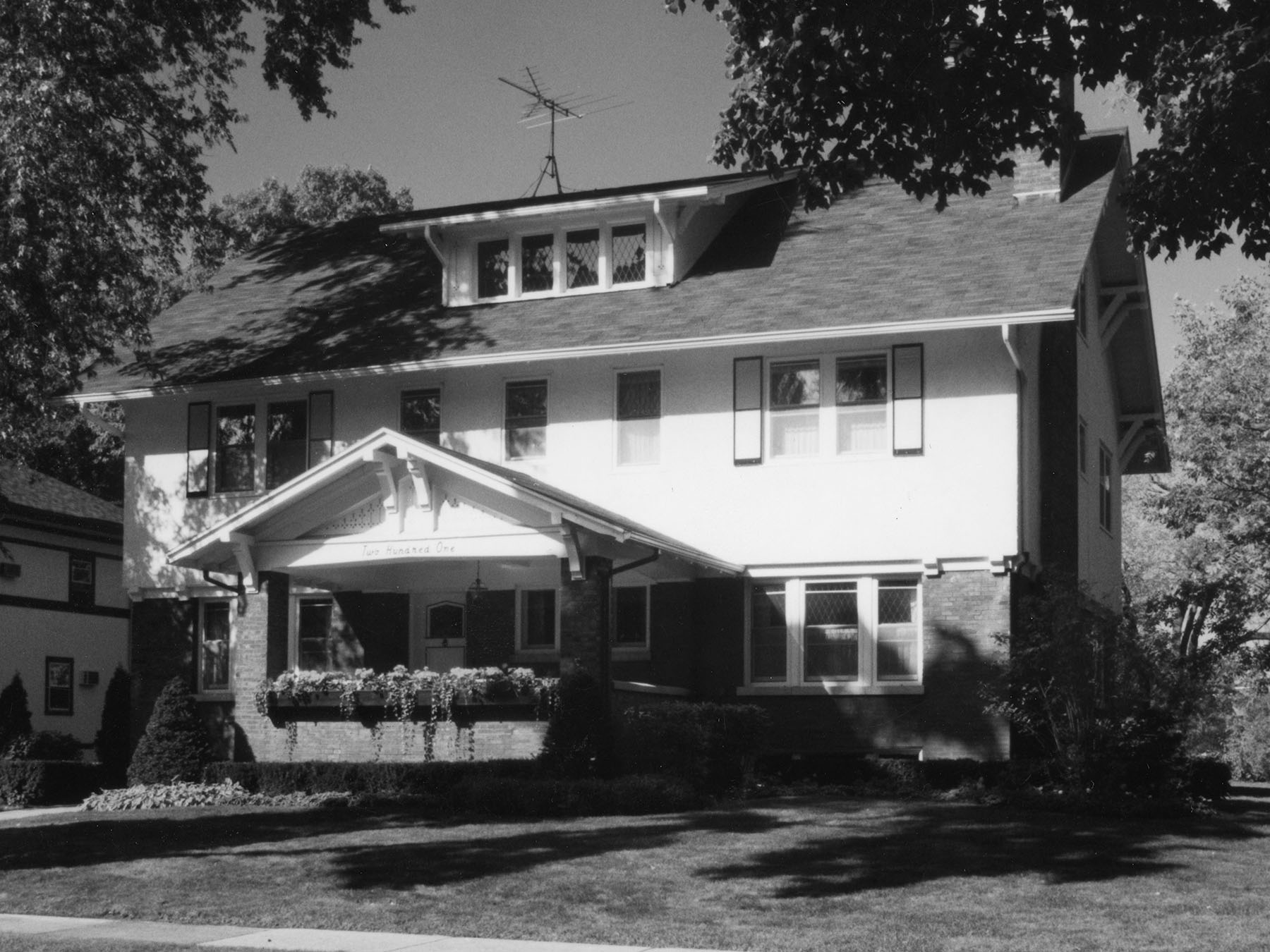
201 Cumberland Avenue was designed by William Dinwiddie for Ralph and Lucy Starrett. Ralph Starrett was the brother of famous American builders Paul and William Starrett. 201 Cumberland Avenue is an example of the Arts and Crafts style. Arts and Crafts homes emphasize simple designs and craftsmanship. They typically have gabled roofs that are low-pitched, overhanging eaves, and exposed structural elements. These homes feature a variety of surface materials and often have porches or verandas.
Similar Centennial Homes: 320 Melrose Avenue (1907) by George Maher and 528 Warwick Road (c. 1906)
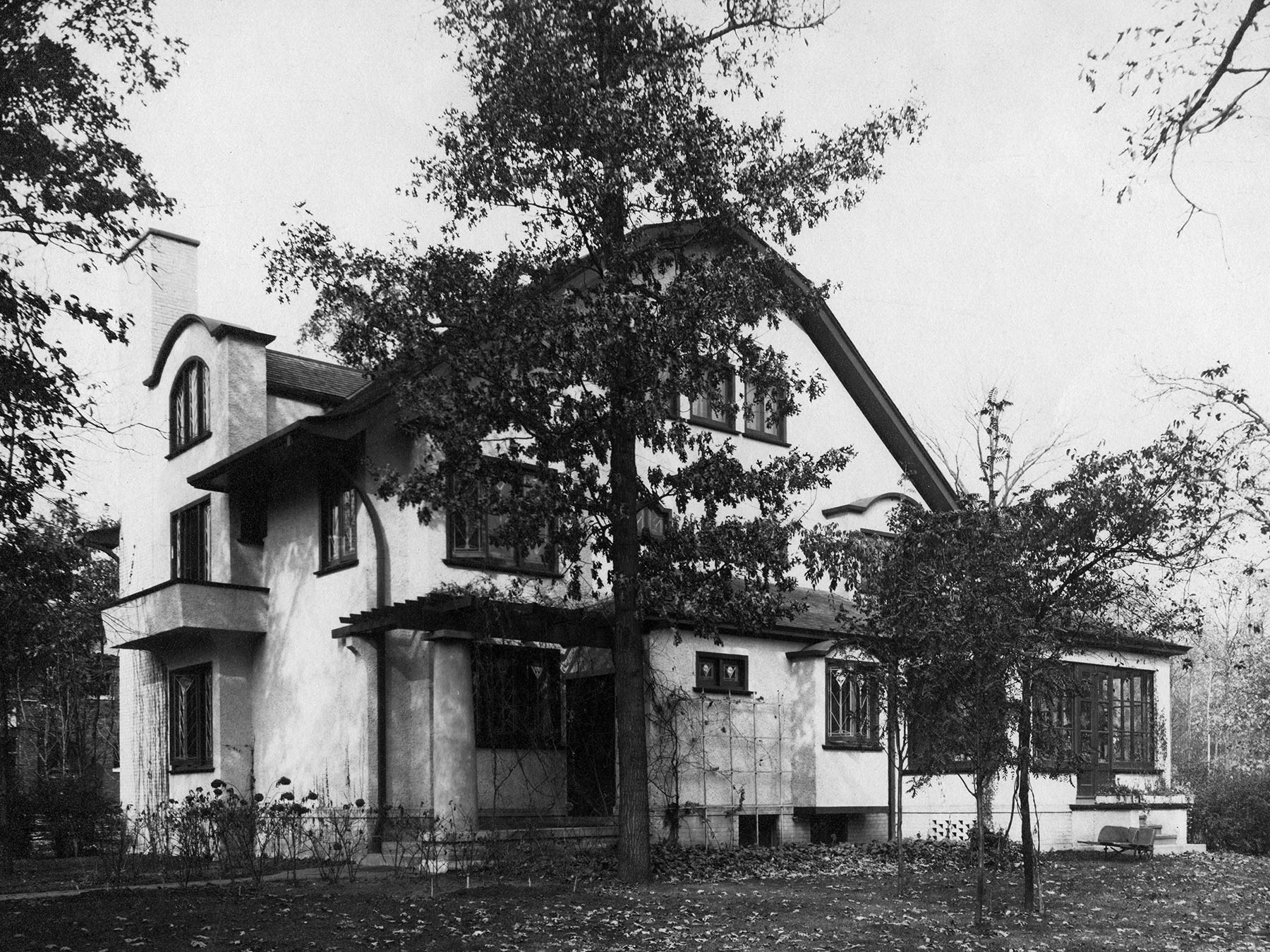
In 1904, George Maher designed 533 Roslyn Road for Franklin and Meta Corbin. Meta Corbin’s parents, Francis and Nannie Lackner, liked the home so much that they hired George Maher to design a similar home next door at 521 Roslyn Road in 1905. Built in the Arts and Crafts style, both homes have dramatic gables, entryway pergolas, and extended second story bay windows with balconies.
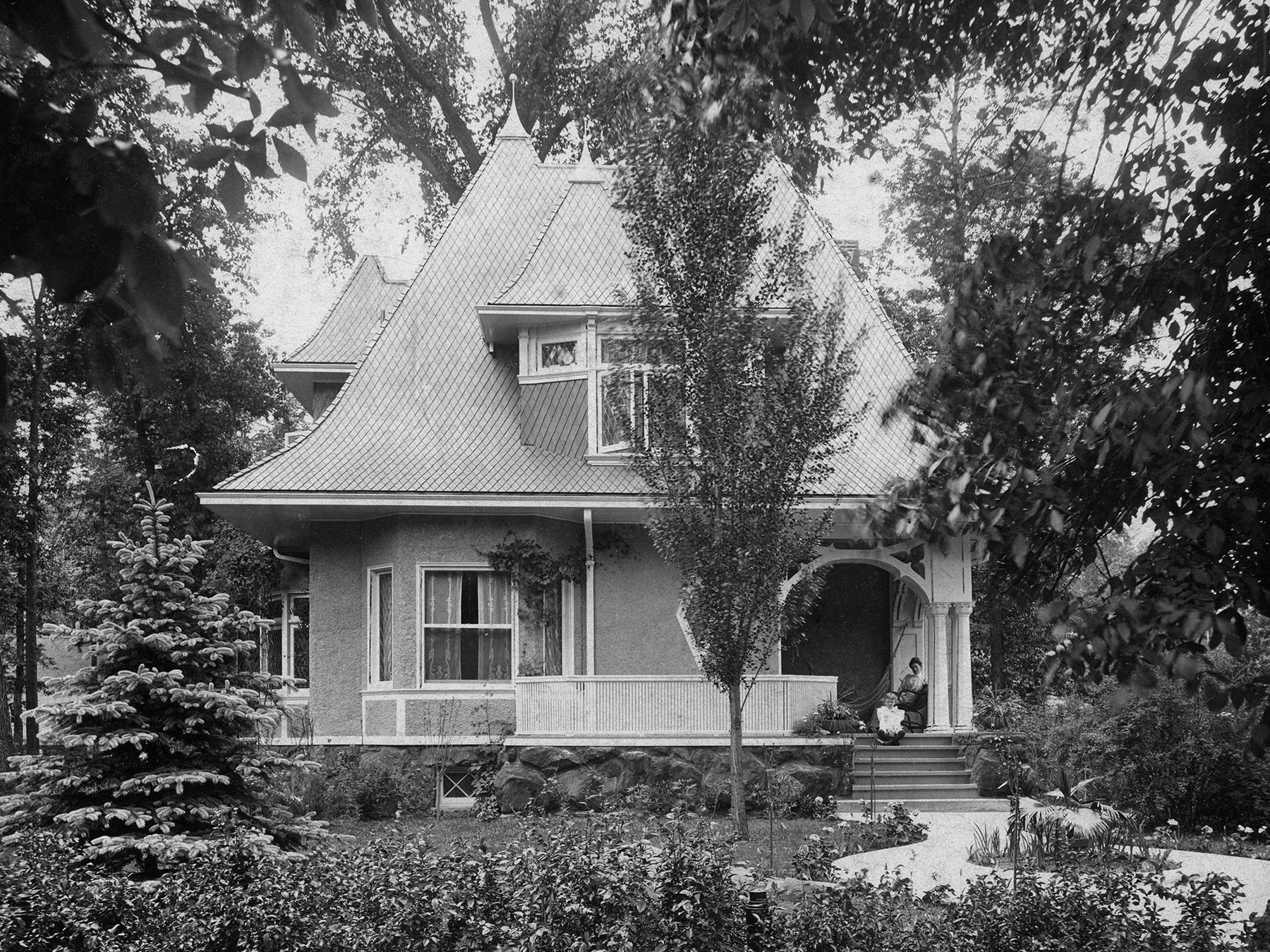
424 Warwick Road was George Maher’s own home that he designed when he was 29 years of age. The home blends various architectural styles, including Victorian and Arts and Crafts. The motif in 424 Warwick Road is the diamond pattern, found in the individual windowpanes, in the front porch window, and in the roof shingles. In 1979, the home was listed on the National Register of Historic Places.
George Maher (1864-1926) and his wife, Elizabeth Brooks Maher (1866-1963), were very active members of the community. Their only child, Philip Brooks Maher (1894-1981), was also an architect. He designed a few homes in Kenilworth, as well as the Stuart Memorial Building in 1972. 424 Warwick Road remained in the Maher family until the 1980s.
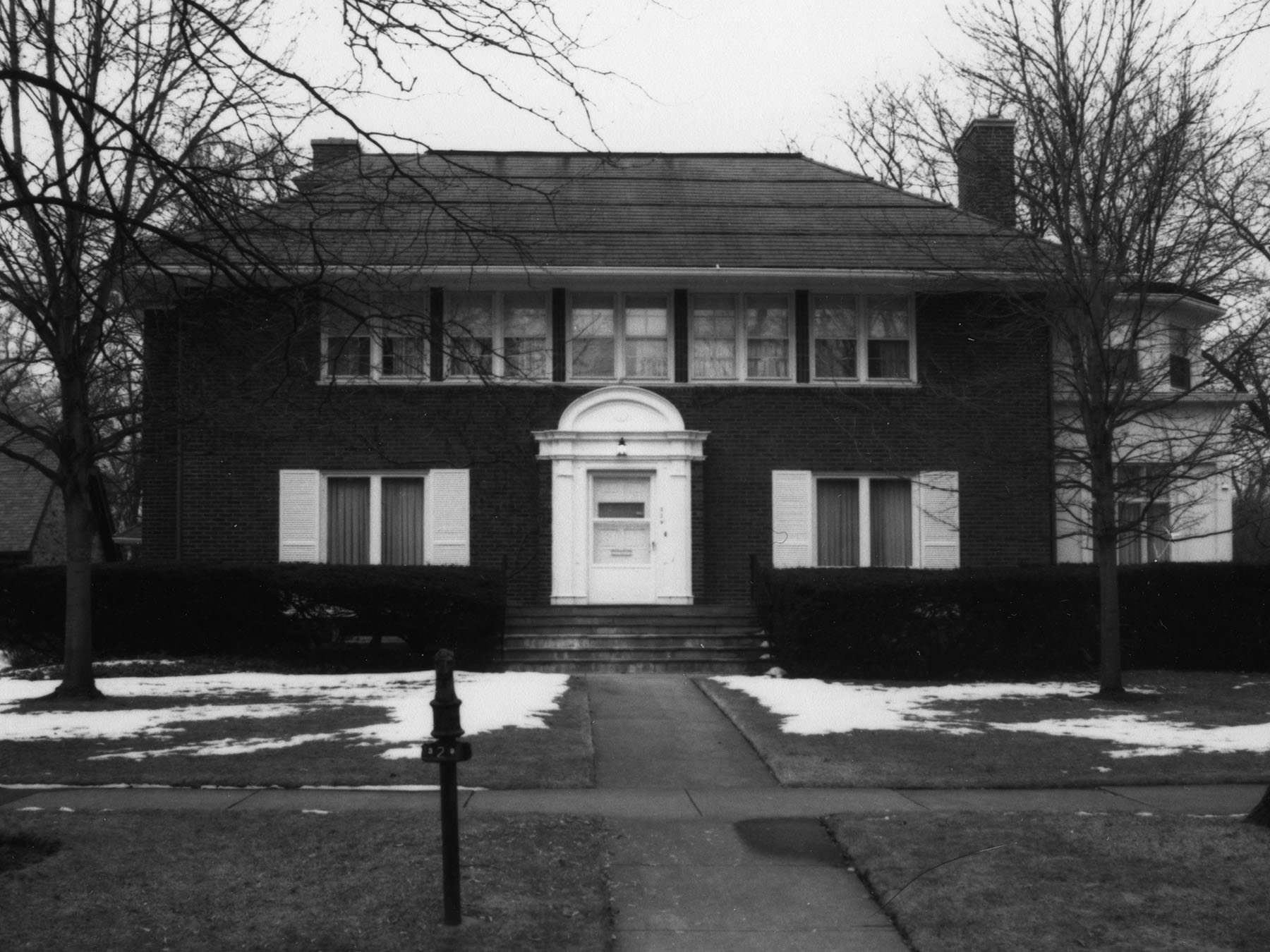
329 Warwick Road was built for Benjamin and Gertrude Odell by George Maher in 1912. Benjamin Odell was an attorney. The Prairie-style residence is a symmetrical block constructed of red brick with a horizontal grouping of windows on the second floor. The home also has horizontal striations or streaks in its roof, a feature of Maher’s work that have been removed from many homes except this one. In 1914, famed Chicago landscape architect Jens Jensen was hired to complete a design for the home. Jensen completed several landscape designs in Kenilworth, most notably Mahoney Park in 1933.
305 Kenilworth Avenue was built for Frank and Lillian Ely by George Maher in 1910. Unlike other Prairie-style structures, 305 Kenilworth Avenue has a cubic shape that can also be found in other Maher designs in Kenilworth. This blocky form first appeared in Maher’s work in his famed John Farson House in Oak Park, Illinois.
305 Kenilworth Avenue serves as a notable example of Maher’s “motif-rhythm theory”, wherein a symbol, often a plant or geometric design, is chosen as a decorative element incorporated throughout the residence. There are two motifs present in 305 Kenilworth Avenue: first, the partially flattened arch, which can be found in the column capitals of the porch, in the door frame, and in the hood over the second-floor window; and, second: the sloping form, seen in the overall shape of the house and in the porch columns.
Similar Centennial Homes: 336 Essex Road (1896), 322 Woodstock Avenue (1900), and 307 Melrose Avenue (1910), all by George Maher.
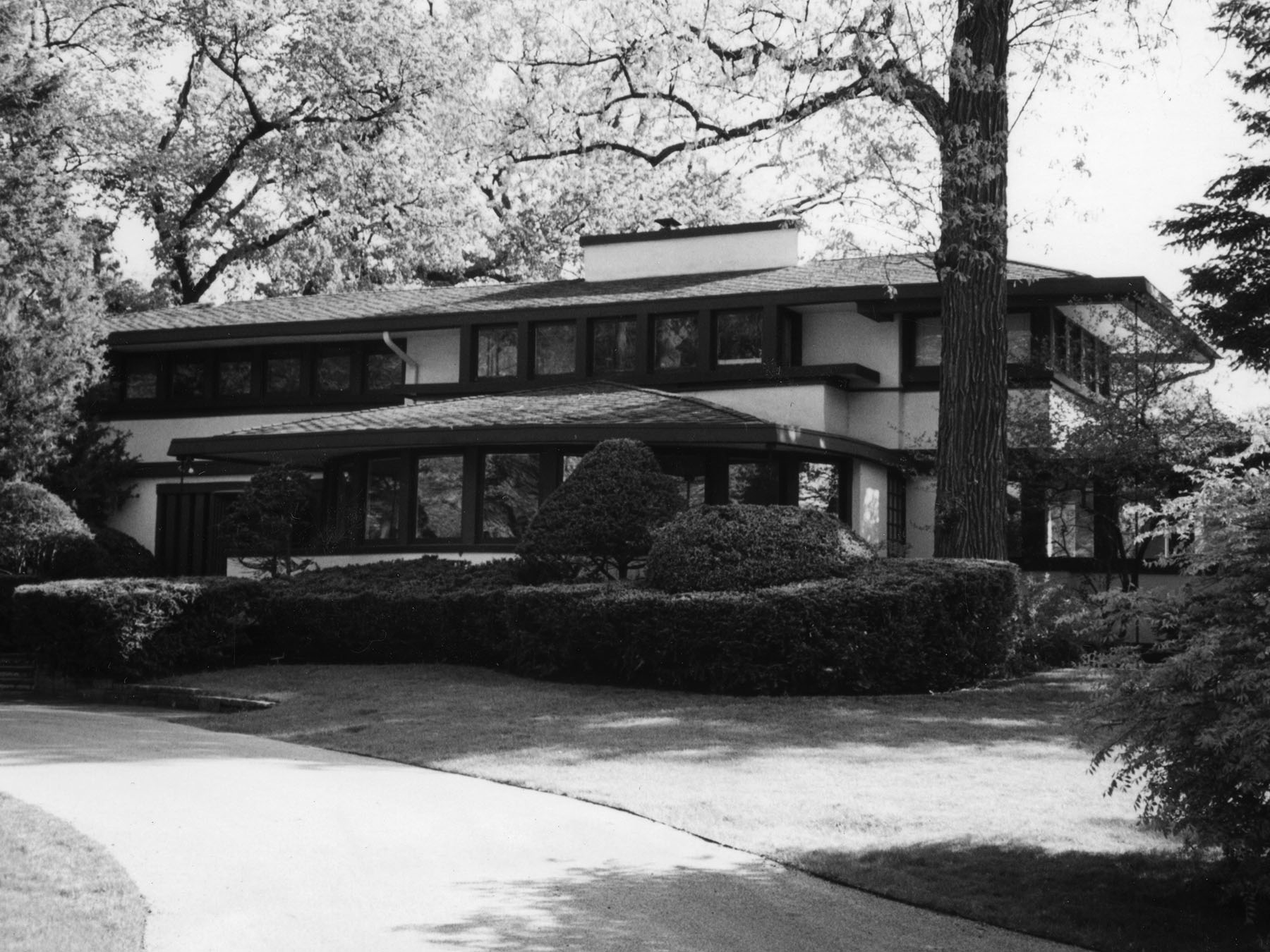
205 Essex Road is Kenilworth’s only residence designed by Frank Lloyd Wright. Built for Hiram and Agnes Baldwin, the home fully embodies the Prairie style. 205 Essex Road has a strong horizontal emphasis with its low-pitched hipped roof, flat overhanging eaves, exterior wood stripping, and bands of casement windows. One signature Wright feature showcased in the home is the concealed entrance. In 1983, the home was listed on the National Register of Historic Places.
Similar Centennial Homes: 240 Essex Road (1911) by Tallmadge and Watson and 304 Melrose Avenue by George Maher (c. 1914)
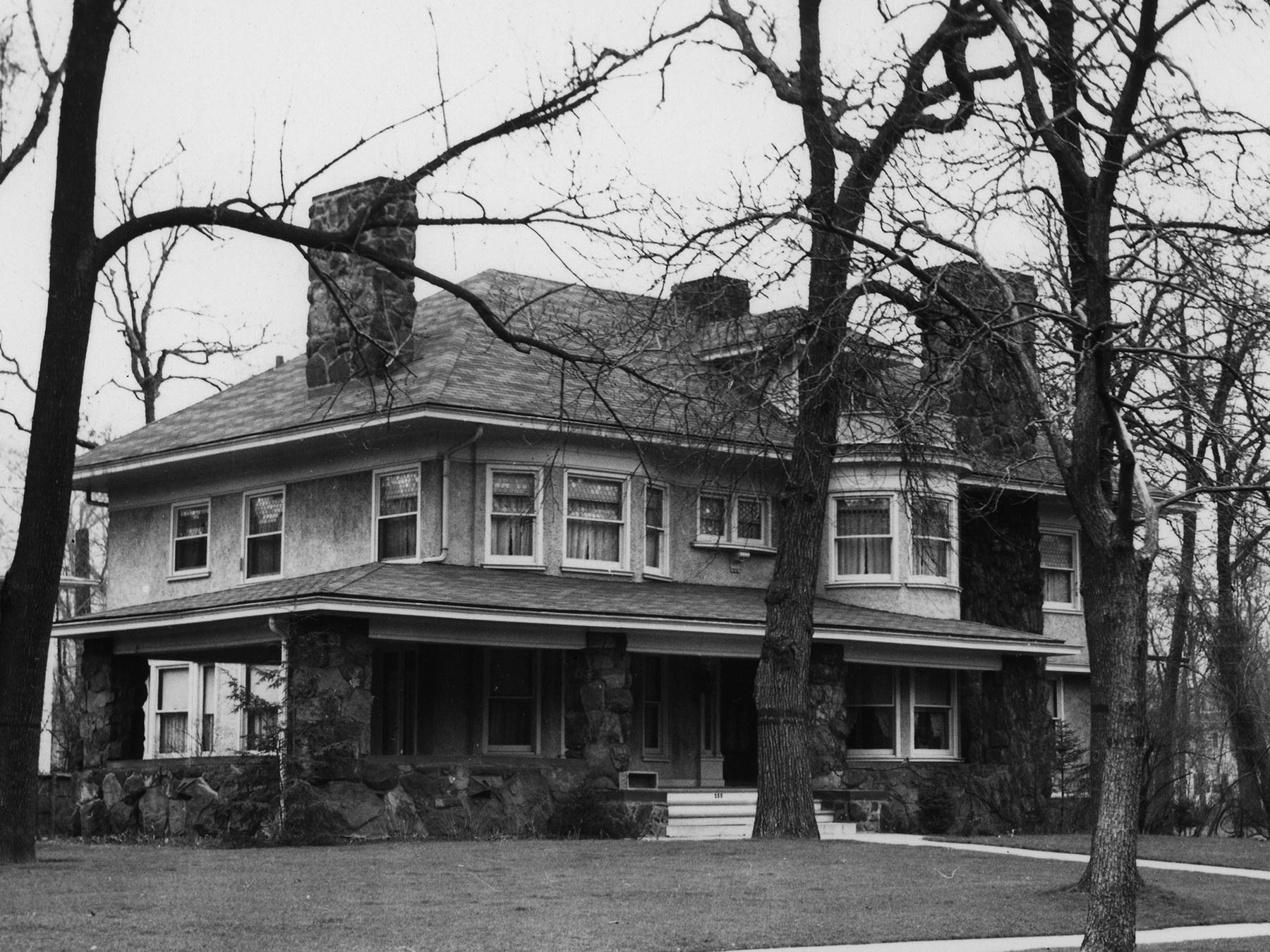
255 Melrose Avenue was built for Edgar and Katherine Barratt in 1896. Edgar Barratt was a civil engineer. Designed by George Maher, 255 Melrose Avenue is considered one of Maher’s transitional buildings. It combines Queen Anne elements, present in the rubblestone base and chimneys, semi-circular tower, and asymmetrical facade with features of the emerging Prairie Style, such as the broad hipped roof, wide eaves, and rectangular building shape.
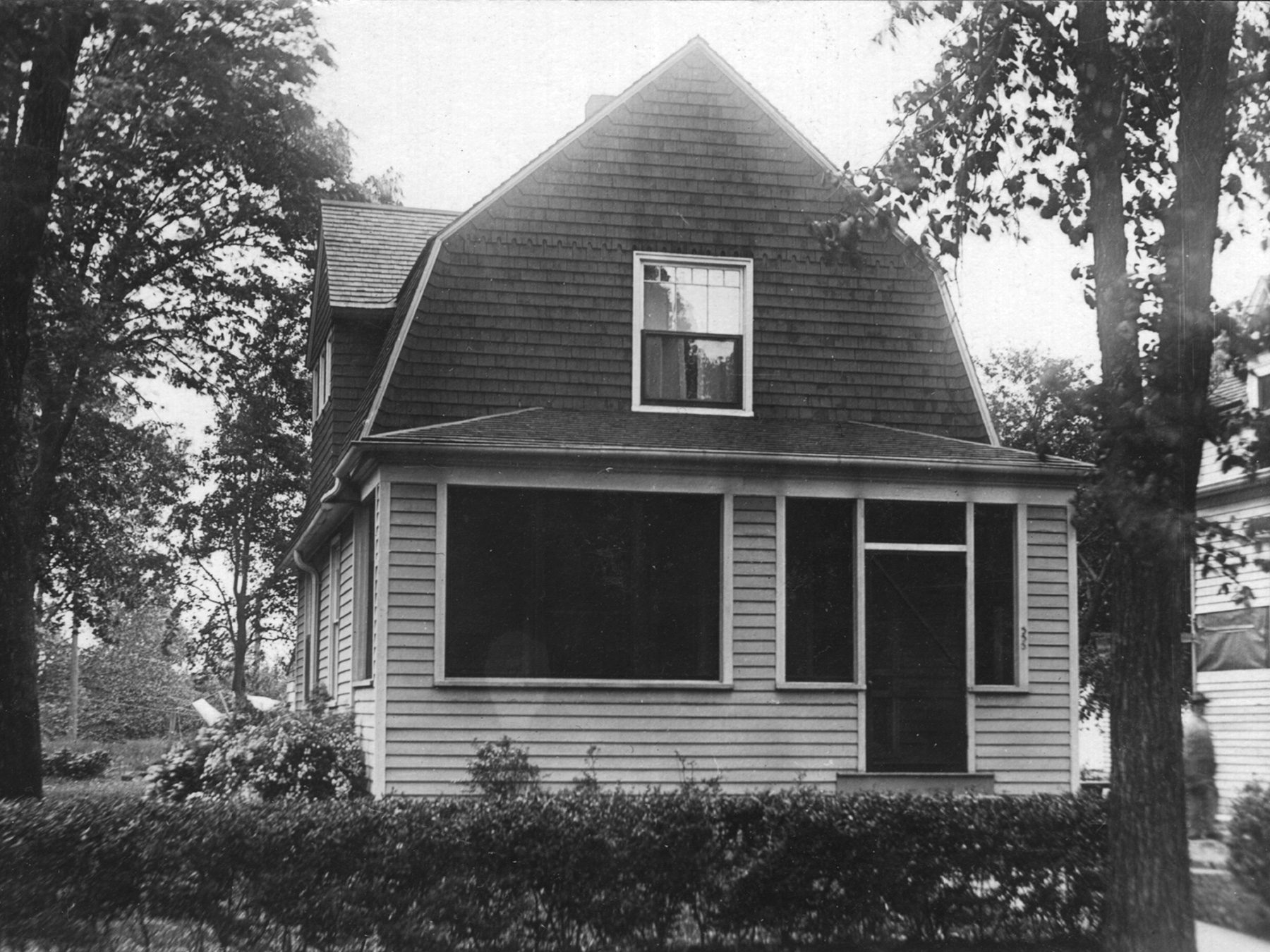
333 Ivy Court is an example of a Dutch Colonial Revival home. In 1891, Franklin Burnham designed three modest homes on Ivy Court for contractors of the Kenilworth Company. 333 Ivy Court is the only one surviving. The home was built for George and Angela Kruse. Mr. Kruse was a builder who helped construct many structures in the village. Prior to working for the Kenilworth Company, Kruse worked as a tenant farmer in Kenilworth. During that time, he and his wife lived in a cottage at 329 Sheridan Road that was razed in 2013.
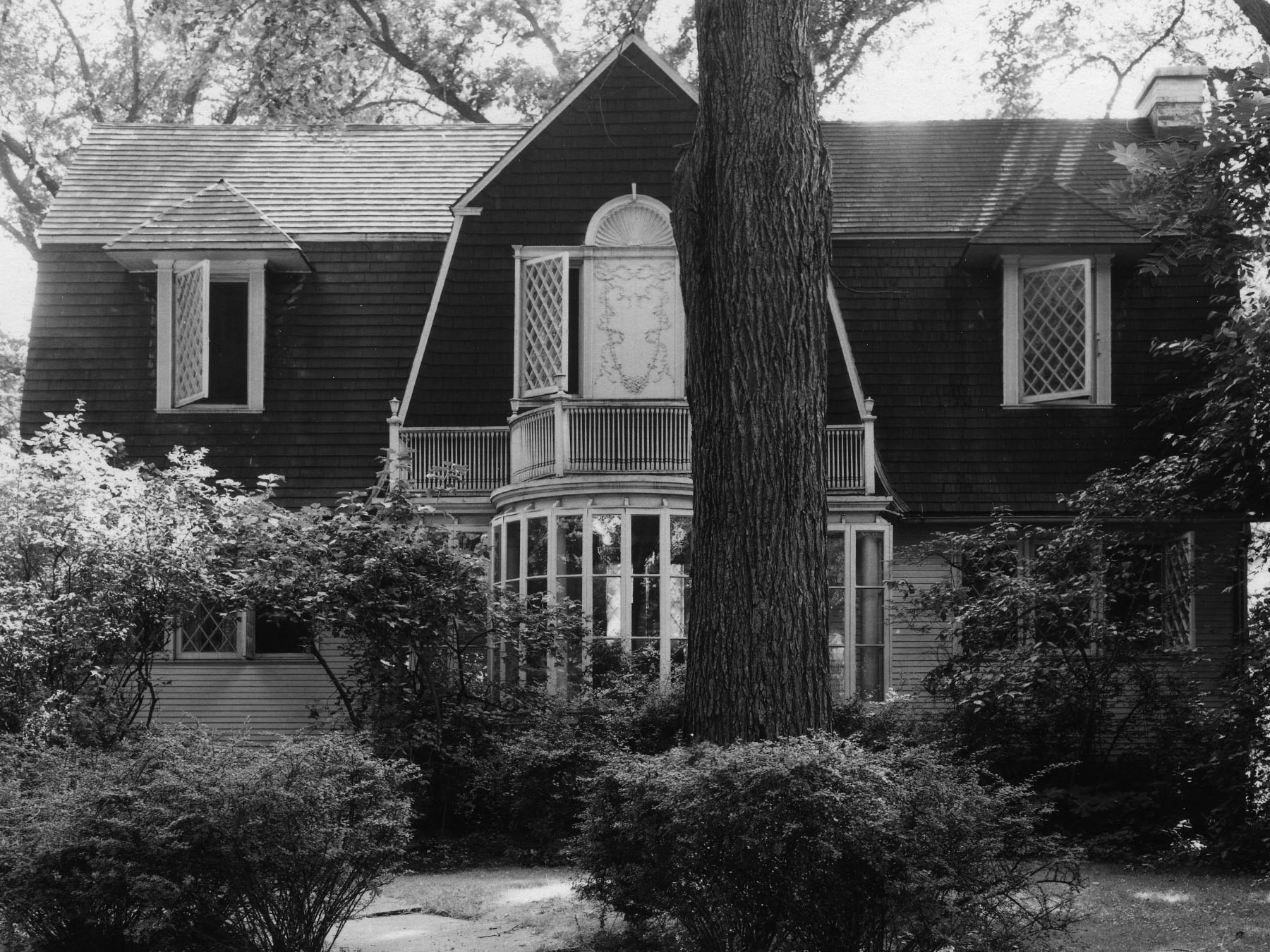
314 Abbotsford Road was designed by George Maher for Morton and Clara Gould. The home contains a gambrel roof, a distinctive feature of the Dutch Colonial Revival style. A gambrel roof has two slopes on each side, with the lower slope having a steeper pitch than the upper slope. Notably, the facade of this home features a gambrel-shaped gable. Other characteristics of the Dutch Colonial Revival style include a symmetrical design, dormer windows, shutters, and a front porch or portico.
Similar Centennial Homes: 336 Abbotsford Road (1891) by George Maher and 415 Cumnor Road (c. 1908)
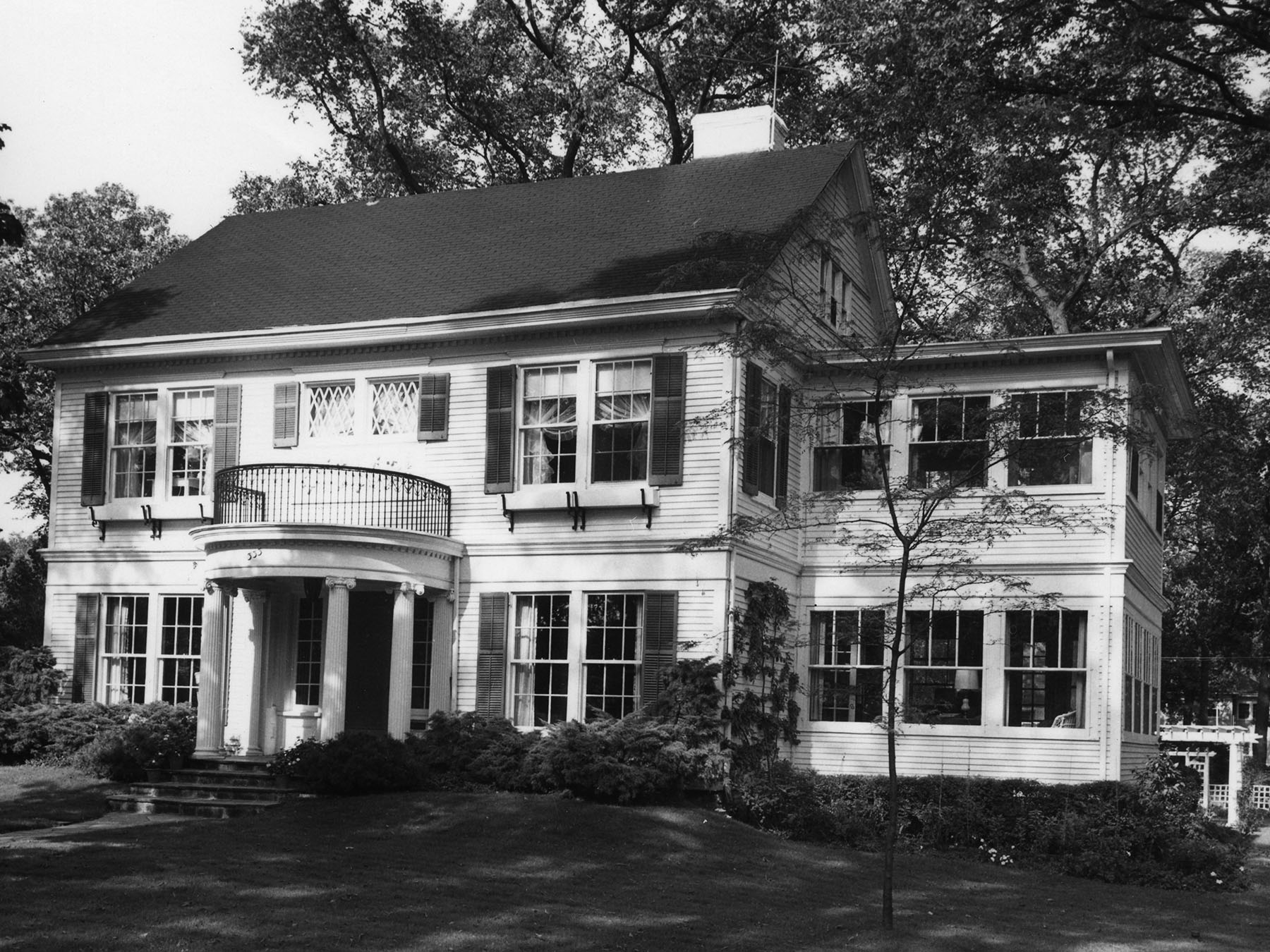
Designed in the Colonial Revival style, 333 Cumnor Road was built for a family that never moved in. The home’s subsequent owners were Homer and Isadore Taylor. In 1895, a meeting at 333 Cumnor led to the development of a woman’s club, the Neighbors of Kenilworth, with Isadore Taylor serving as its first president. Homer Taylor was a skilled archer who competed in the 1904 Summer Olympics.

241 Melrose Avenue was built for Alfred and Margaret Martin in the Colonial Revival architectural style by an unknown architect. Colonial Revival architecture takes many different forms. Typical features include a rectangular shape, a symmetrical facade, gable roofs (often with dormers), and shingles or clapboard siding. Sometimes classical details, such as columns, are incorporated into the design. Some late 19th century Colonial Revivals, such as this home, exhibit asymmetry and varied rooflines, representing the influence of the then-popular Queen Anne style.
Similar Centennial Homes: 42 Kenilworth Ave (1892), 431 Essex Road (1895), 523 Essex Road (c. 1900)

519 Warwick Road was designed by Paul Starrett in the Classical Revival style for his family, although they relocated before the home was constructed. Paul Starrett was a famous American builder, whose firm was responsible for the construction of the Empire State Building and the Lincoln Memorial, among other notable commissions. This was the first home built north of Melrose Avenue in Kenilworth. To early residents, the undeveloped area between Winnetka Avenue and Melrose Avenue was known as the North Woods.
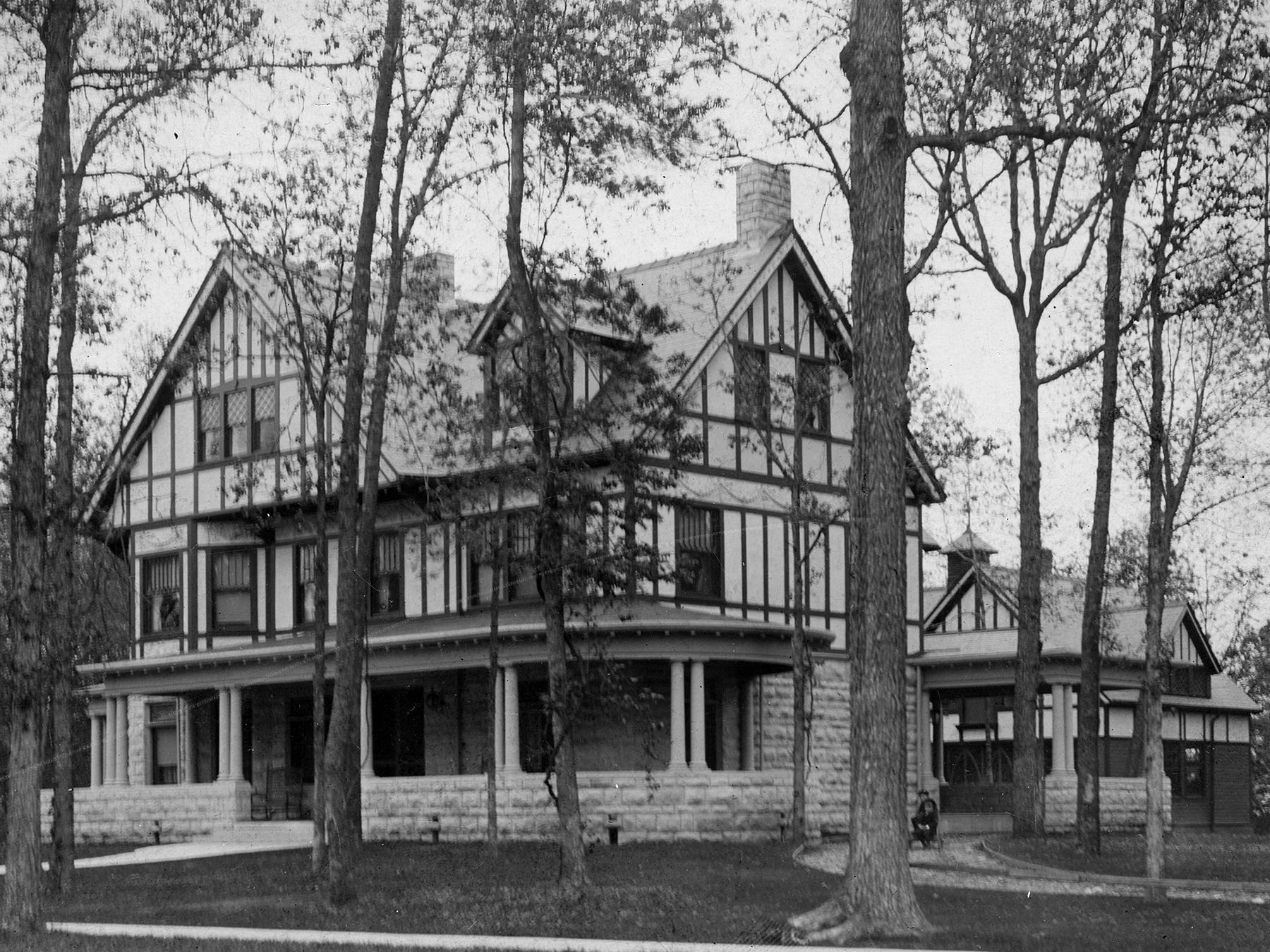
220 Melrose Avenue was designed by Franklin Burnham in the Queen Anne style. The home is a unique example of a Queen Anne with the half-timbering on the second and third floors. 220 Melrose Avenue was the home of James and Nora Culbertson. James Culbertson was a lumber executive who was active in the civic life of early Kenilworth. He served as the first village president and contributed generously to the construction of the Kenilworth Assembly Hall in 1906 and an addition to the Kenilworth Union Church in 1909.
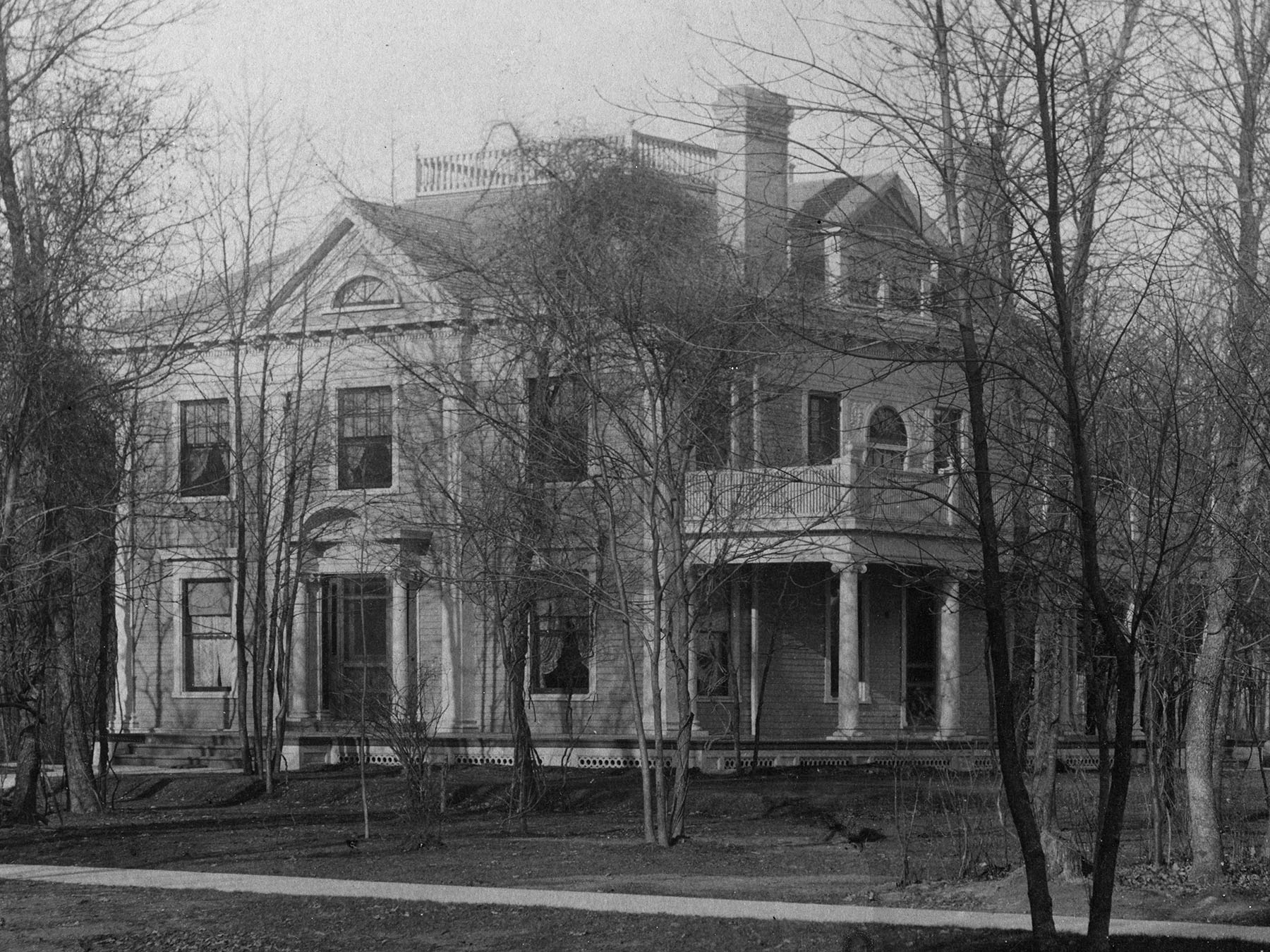
417 Warwick Road was built for Samuel and Abigail Barry, the parents-in-laws of Joseph Sears. The home was designed by Franklin Burnham in the Classical Revival style. Following Joseph Sears’ death in 1912, Helen Sears and some of their children moved into 417 Warwick Road. The home remained in the Sears family through the 1940s. Since the 1980s, the home has been owned by the Kenilworth Union Church. In 2022, the Kenilworth Union Church announced plans to raze the structure as part of a larger facility renovation project.
Similar Centennial Homes: 149 Kenilworth Avenue (c. 1895), 219 Sheridan Road (c. 1913)
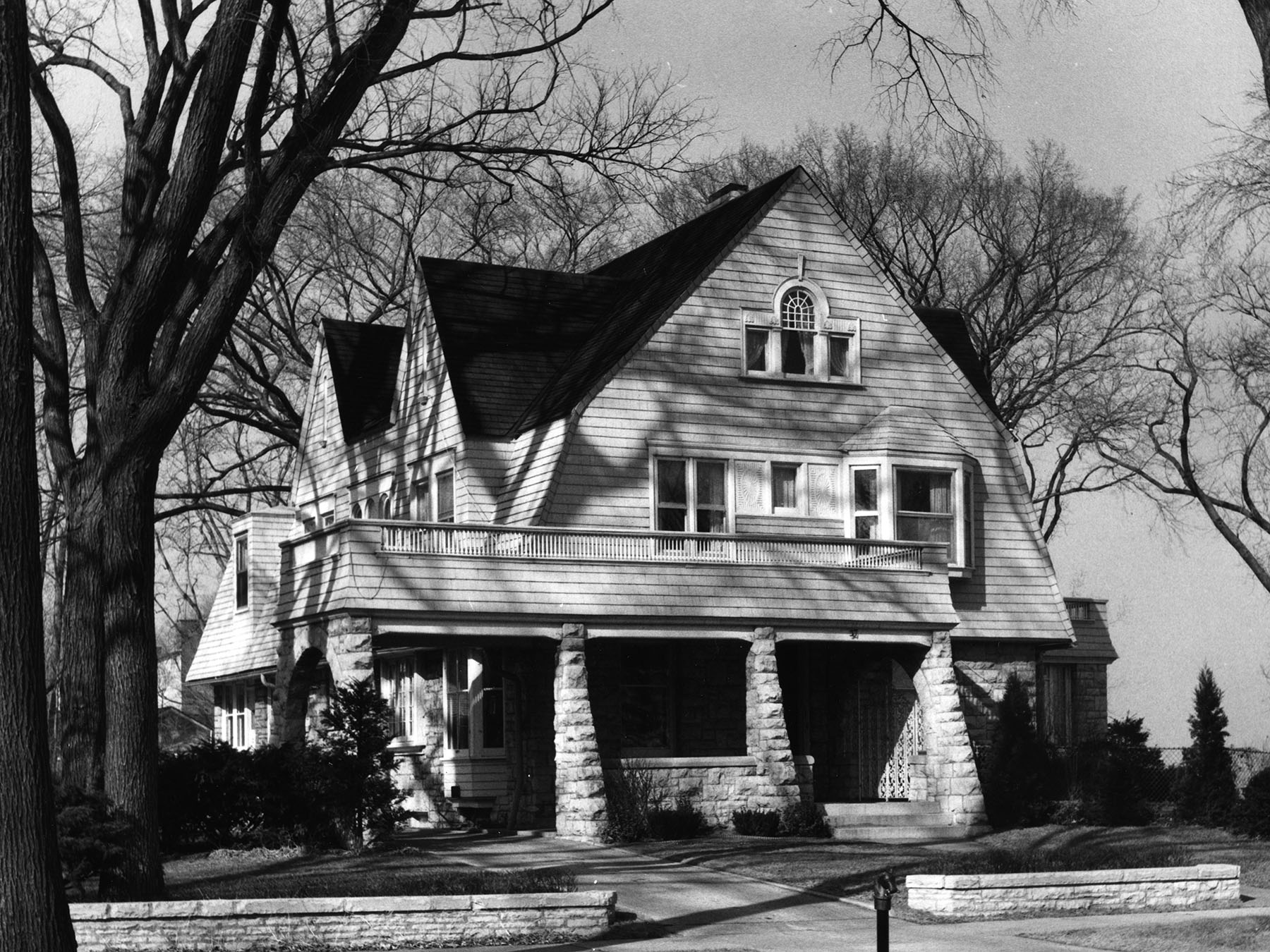
37 Kenilworth Avenue was the third home built in Kenilworth. Franklin Burnham designed the home for himself and his wife, Adelia Burnham. Like the first two homes built in the village, 37 Kenilworth Avenue is an example of the Queen Anne style. Before joining the Kenilworth Company, Franklin Burnham was an accomplished architect. His firm, Edbrooke and Burnham, a partnership with architect Willoughby J. Edbrooke, completed numerous commissions, including the 1889 Georgia State Capitol.
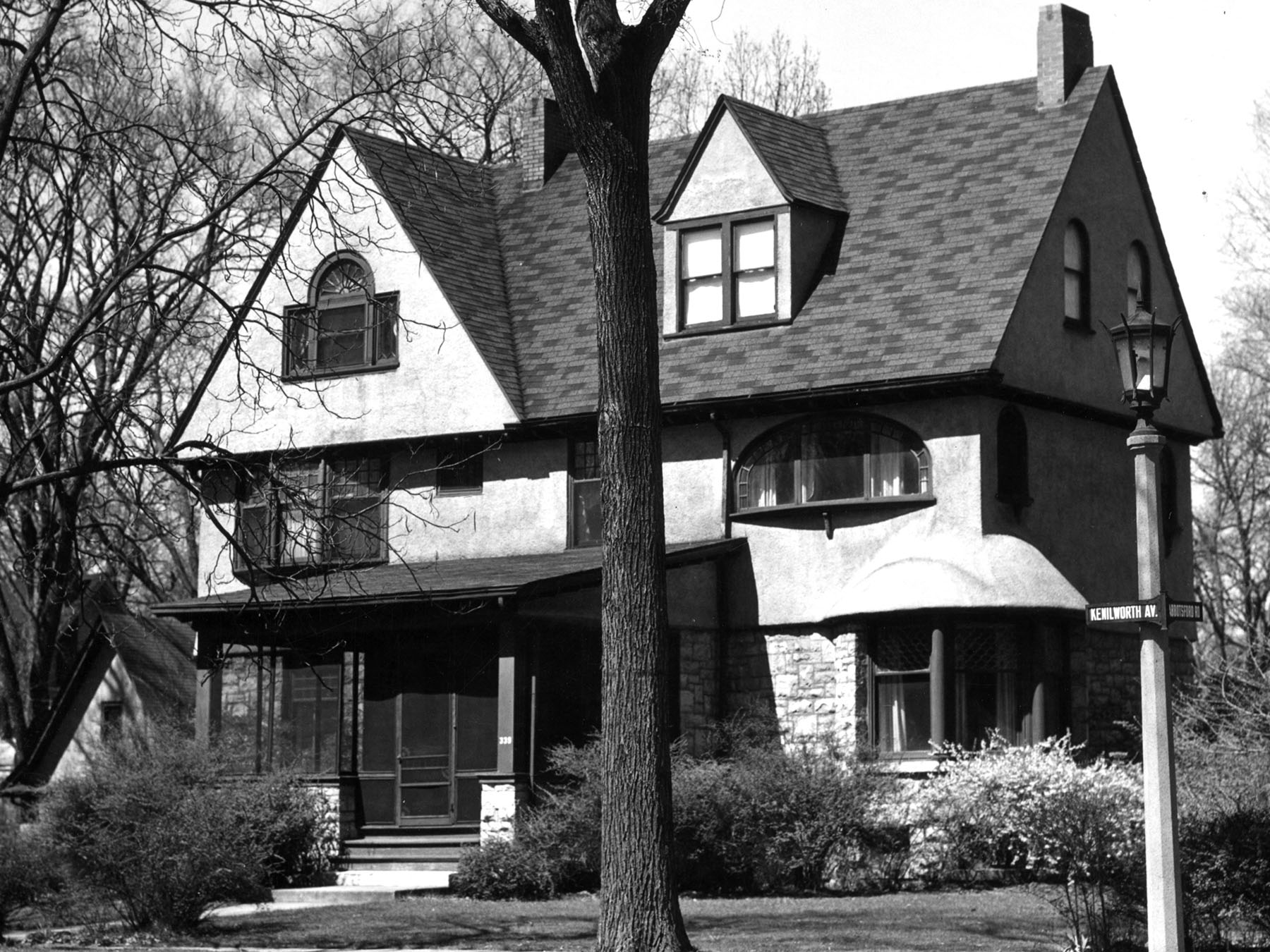
339 Kenilworth Avenue was the second home built in Kenilworth. The home was built for Charles and Emma Smith. Dr. Charles Smith was the secretary of the Kenilworth Company, who oversaw sales. He also hosted prospective buyers in this home. His handwriting forms the script of the “Kenilworth” logo as seen on the Kenilworth train station sign. Franklin Burnham designed 339 Kenilworth Avenue in the Queen Anne style.
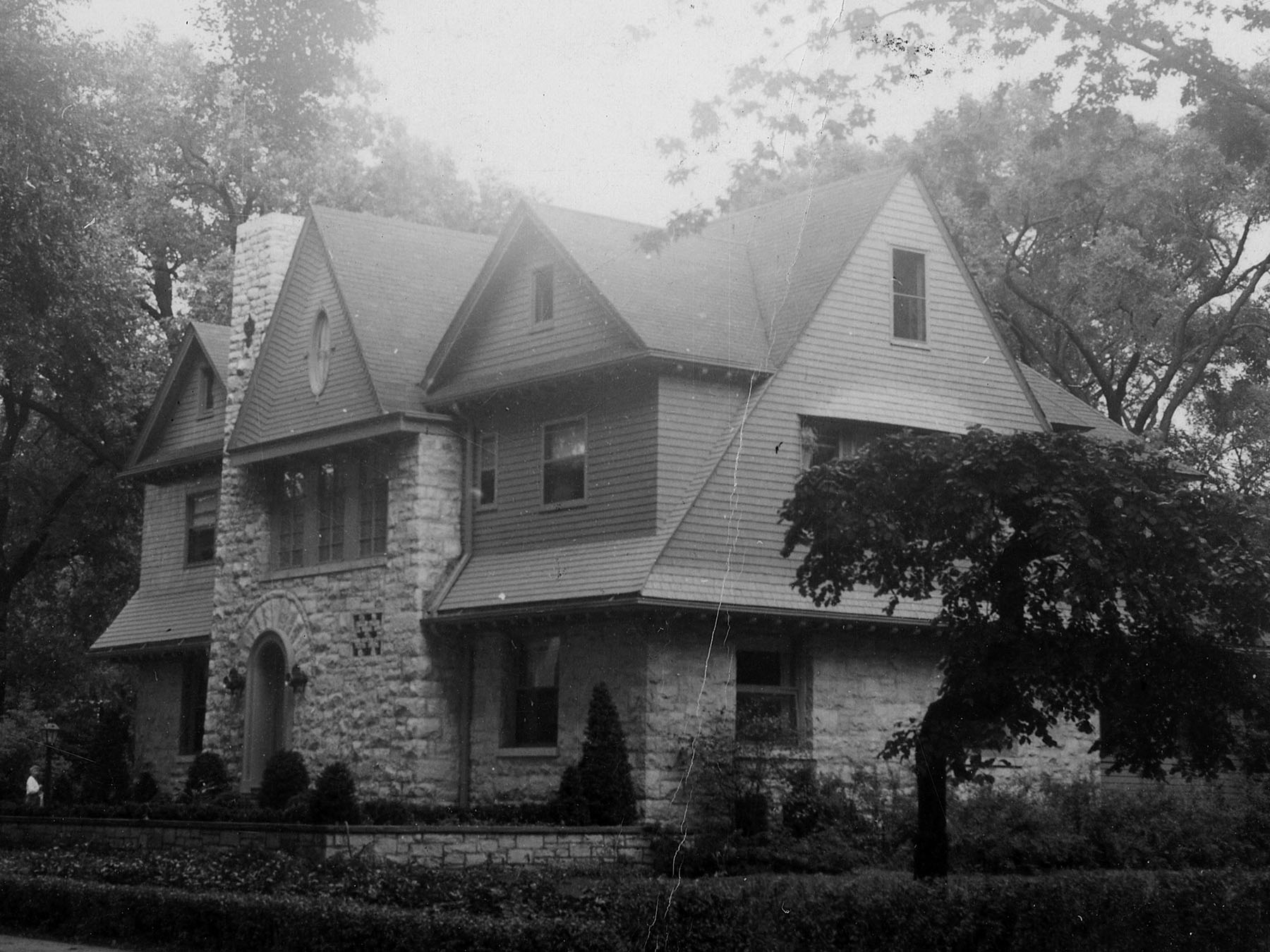
354 Kenilworth Avenue was the first home built in Kenilworth. The home was designed by Franklin Burnham for William H. H. and Kate Sears. William H. H. Sears was the treasurer of the Kenilworth Company and the half-brother of Joseph Sears. In 1893, at just twelve years old, William and Kate’s son, John Sears, founded a weekly newspaper, The Kenilworth News. The publication chronicled daily life in early Kenilworth. Copies of the newspaper are available in the permanent exhibit. At its base, 354 Kenilworth Avenue incorporates rusticated stonework, an architectural detail also found in other Queen Anne style residences designed by Franklin Burnham.

321 Melrose Avenue was built for Ullman and Jennie Strong by an unknown architect. This home is an excellent example of the Queen Anne style. Queen Anne homes are characterized by their asymmetrical design, elaborate ornamentation, and use of a variety of surface materials and window configurations. They often feature steeply pitched roofs, dominant front gables, wrap-around porches, and towers or turrets. These homes sometimes have vibrant exterior colors.
Similar Centennial Homes: 158 Melrose Avenue (1892) by Joseph Lyman Silsbee, 322 Kenilworth Avenue (1893), 514 Essex Road (1897) by Franklin Burnham
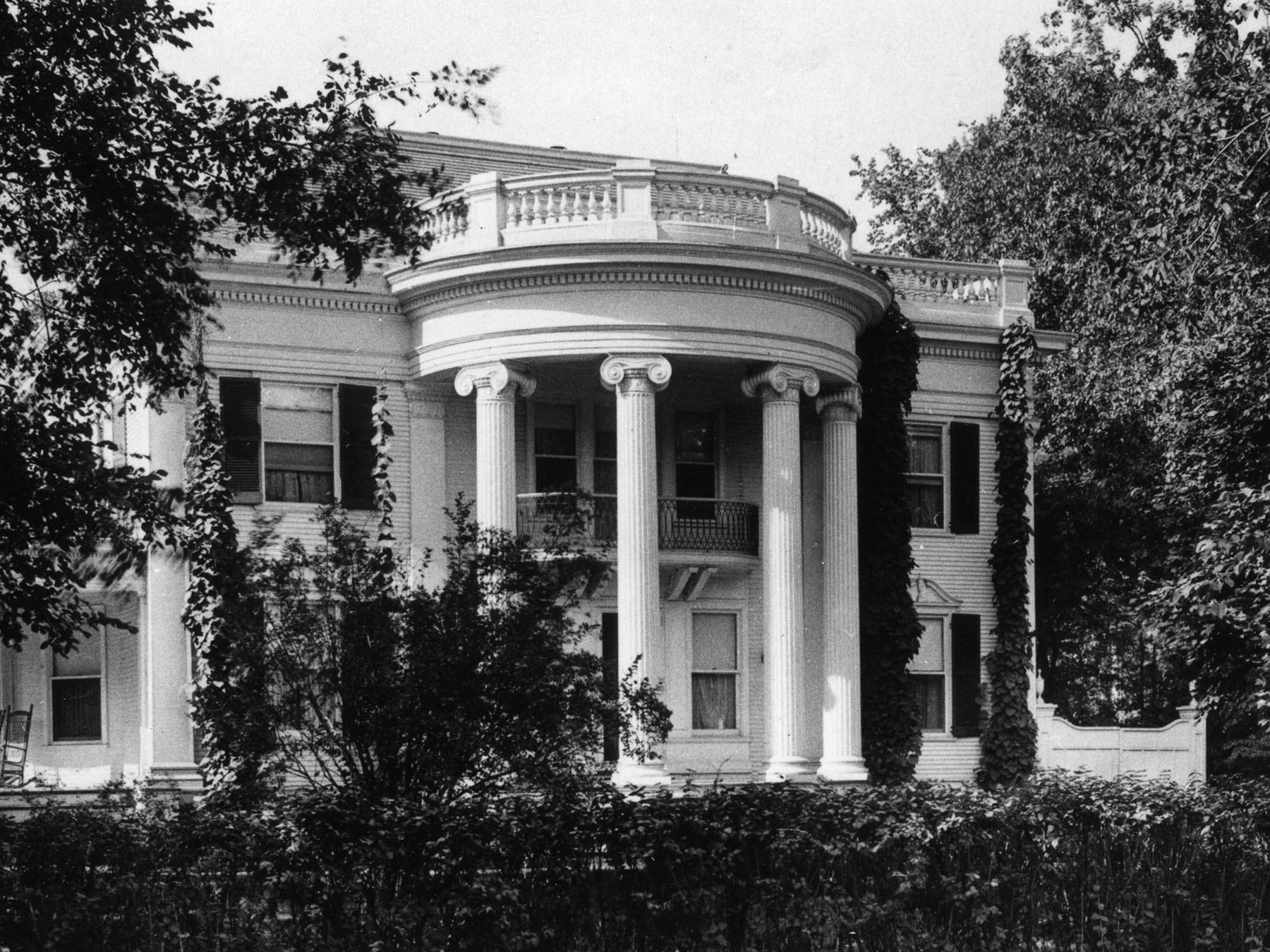
326 Essex Road was built for Frank and Harriet Elizabeth Root in 1896. Frank Root was a music publisher whose brother, Walter Root, also lived in Kenilworth. In 1900, A. Shreeve Badger, a lumber merchant, and Sarah Frances Cowles Badger moved into the residence. The Badgers kept horses and a donkey on the property. In 1992, the home was listed on the National Register of Historic Places.
326 Essex Road was designed in the Classical Revival style, which gained popularity following its prominent use in the White City of the 1893 World’s Columbian Exposition. Inspired by classical Greek and Roman architecture, Classical Revival homes feature symmetrical facades with a central entrance and low-pitched or flat roofs. The entryway often includes a pediment, portico, or a porch. The homes are adorned with columns, pilasters, balustrades, and other classical detailing.
The Kenilworth Historical Society holds original architectural drawings of the house, which include an inscription at the bottom that reads: “The Franklin Burnham Co. Architects, Chicago, ILL.” Although a few secondary sources attribute the design to Daniel Burnham, the renowned Chicago architect, it is more likely that Franklin Burnham was the actual architect of the home. The two are of no relation.
Similar Centennial Home: 236 Cumnor Road (c. 1905)
100 Woodstock, 1926
145 Woodstock, 1921
157 Woodstock, 1924
206 Woodstock, 1925
220 Woodstock, 1924
221 Woodstock, 1924
240 Woodstock, 1915
256 Woodstock, 1911
306 Woodstock, 1920
307 Woodstock, 1910
322 Woodstock, 1900
338 Woodstock, 1908
344 Woodstock, pre-1920
416 Woodstock, 1909
422 Woodstock, 1909
430 Woodstock, pre-1920
206 Winnetka, 1923
606 Wayland, 1923
618 Wayland, 1926
626 Wayland, 1922
635 Wayland, 1924
200 Warwick Road, 1921
211 Warwick Road, 1925
212 Warwick Road, 1925
221 Warwick Road, 1921
226 Warwick Road, 1915
234 Warwick Road, 1915
235 Warwick Road, 1913
243 Warwick Road, 1922
321 Warwick Road, 1921
322 Warwick Road, 1913
328 Warwick Road, 1915
329 Warwick Road, 1912
333 Warwick Road, 1925
336 Warwick Road, 1909
417 Warwick Road, 1892
424 Warwick Road, 1893
432 Warwick Road, 1893
515 Warwick Road, 1910
519 Warwick Road, 1896
520 Warwick Road, 1908
527 Warwick Road, 1912
528 Warwick Road, 1906
612 Warwick Road, 1909
615 Warwick Road, 1925
621 Warwick Road, 1922
626 Warwick Road, 1926
546 Sterling, 1920
554 Sterling, pre-1920
558 Sterling, pre-1920
736 Sterling, 1926
201 Sheridan, 1917
212 Sheridan, 1912
219 Sheridan, c. 1913
220 Sheridan, 1908
224 Sheridan, 1919
227 Sheridan, 1924
234 Sheridan, 1921
245 Sheridan, 1920
430 Sheridan, 1918
521 Roslyn, c. 1900
533 Roslyn, 1904
536 Roslyn, c. 1910
547 Roslyn, 1910
610 Roger, pre-1920
616 Roger, 1920
620 Roger, 1922
624 Roger, 1921
75 Robsart, 1925
78 Robsart, 1925
84 Robsart, 1923
85 Robsart, 1925
88 Robsart, 1924
89 Robsart, 1926
92 Robsart, 1926
93 Robsart, 1923
98 Robsart, 1923
99 Robsart, 1925
106 Robsart, 1926
107 Robsart, 1926
111 Robsart, 1925
115 Robsart, 1925
116 Robsart, 1926
120 Robsart, 1926
124 Robsart, 1923
127 Robsart, 1923
141 Robsart, 1926
147 Robsart, 1924
152 Robsart, 1926
153 Robsart, 1922
157 Robsart, 1925
307 Ridge, pre-1920
311 Ridge, pre-1920
315 Ridge, pre-1920
333/335 Ridge, pre-1920
365 Ridge, pre-1920
371 Ridge, pre-1920
505 Ridge, 1926
310 Richmond, c. 1910
315 Richmond, 1925
316 Richmond, 1925
333 Richmond, 1923
212 Raleigh, 1922
227 Raleigh, 1925
228 Raleigh, 1923
234 Raleigh, 1921
235 Raleigh, 1923
320 Raleigh, 1924
328 Raleigh, 1921
336 Raleigh, 1920
337 Raleigh, 1925
529 Park, pre-1920
535 Park, pre-1920
619 Park, pre-1920
627 Park, pre-1920
640 Park, 1925
118 Oxford, 1922
126 Oxford, 1923
140 Oxford, 1921
156 Oxford, 1920
200 Oxford, 1920
205 Oxford, 1925
208 Oxford, 1922
222 Oxford, 1921
230 Oxford, c. 1920
236 Oxford, 1923
244 Oxford, 1923
250 Oxford, 1921
266 Oxford, 1913
270 Oxford, 1915
306 Oxford, 1911
310 Oxford, c. 1910
314 Oxford, 1909
318 Oxford, 1908
320 Oxford, c. 1911
325 Oxford, 1914
326 Oxford, c. 1910
330 Oxford, c. 1905
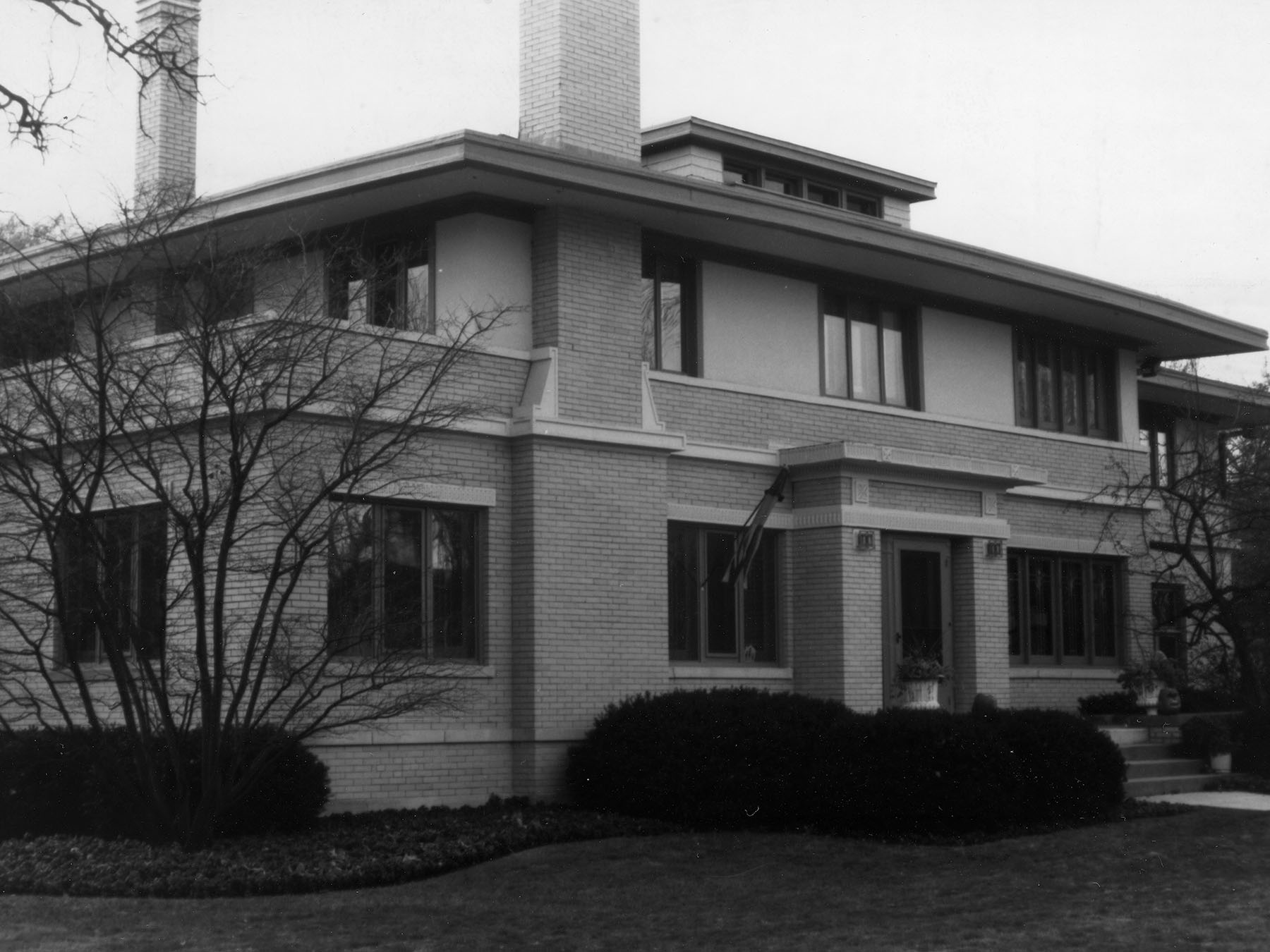
122 Melrose, 1923
135 Melrose, 1922
145 Melrose, c. 1910
155 Melrose, 1923
158 Melrose, 1892
205 Melrose, 1925
210 Melrose, 1923
220 Melrose, 1893
223 Melrose, 1914
240 Melrose, 1923
241 Melrose, 1892
255 Melrose, 1896
258 Melrose, 1895
304 Melrose, c. 1914
307 Melrose, 1910
320 Melrose, 1907
321 Melrose, 1896
337 Melrose, 1894
338 Melrose, 1915
522 Melrose, pre-1920
526 Melrose, pre-1920
531 Melrose, pre-1921
534 Melrose, pre-1920
538 Melrose, pre-1920
539 Melrose, pre-1920
547 Melrose, pre-1920
550 Melrose, 1921
551 Melrose, 1922
557 Melrose, 1922
601 Melrose, pre-1920
611 Melrose, pre-1920
622 Melrose, 1923
623 Melrose, pre-1920
635 Melrose, pre-1920
713 Maclean, c. 1922
219 Leicester, 1925
222 Leicester, 1921
228 Leicester, 1921
235 Leicester, 1908
240 Leicester, 1923
312 Leicester, 1908
315 Leicester, 1920
320 Leicester, 1893
321 Leicester, 1926
327 Leicester, 1921
328 Leicester, 1895
333 Leicester, 1925
336 Leicester, 1917
36 Kenilworth, 1895
37 Kenilworth, 1891
42 Kenilworth, 1892
43 Kenilworth, 1893
122 Kenilworth, 1925
123 Kenilworth, 1926
140 Kenilworth, 1924
141 Kenilworth, 1908
149 Kenilworth, 1895
157 Kenilworth, 1908
165 Kenilworth, 1896
256 Kenilworth, 1909
257 Kenilworth, 1914
305 Kenilworth, 1908
306 Kenilworth, 1909
322 Kenilworth, 1893
323 Kenilworth, 1892
339 Kenilworth, 1891
354 Kenilworth, 1891
333 Ivy, 1891
336 Ivy, 1891
615 Ivy, 1911
621 Ivy, c. 1905
633 Ivy, 1919
639 Ivy, 1914
530 Exmoor, 1922
536 Exmoor, pre-1920
538 Exmoor, pre-1920
541 Exmoor, pre-1920
544 Exmoor, pre-1920
549 Exmoor, 1921
552 Exmoor, pre-1920
625 Exmoor, pre-1920
631 Exmoor, 1921
638 Exmoor, 1921
650 Exmoor, 1921
205 Essex, 1905
211 Essex, 1924
226 Essex, 1926
236 Essex, 1925
239 Essex, 1905
240 Essex, 1911
312 Essex, 1899
319 Essex, 1909
326 Essex, 1893
331 Essex, 1905
336 Essex, 1895
337 Essex, 1900
423 Essex, 1893
430 Essex, 1908
431 Essex, 1895
514 Essex, 1897
515 Essex, 1895
522 Essex, 1904
523 Essex, 1905
545 Essex, 1922
605 Essex, 1921
610 Essex, 1922
614 Essex, 1921
615 Essex, 1924
236 Cumnor, c. 1905
237 Cumnor, pre-1922
244 Cumnor, 1910
245 Cumnor, 1909
249 Cumnor, c. 1905
303 Cumnor, 1891
304 Cumnor, c. 1910
310 Cumnor, 1893
316 Cumnor, 1892
323 Cumnor, 1908
324 Cumnor, c. 1910
327 Cumnor, 1914
330 Cumnor, 1891
331 Cumnor, 1914
333 Cumnor, 1893
412 Cumnor, c. 1900
415 Cumnor, c. 1908
416 Cumnor, c. 1903
417 Cumnor, 1893
422 Cumnor, 1893
428 Cumnor, c. 1909
517 Cumnor, 1910
523 Cumnor, 1910
201 Cumberland, 1906
206 Cumberland, 1906
207 Cumberland, 1908
222 Cumberland, 1909
241 Cumberland, 1926
306 Cumberland, 1923
307 Cumberland, 1923
320 Cumberland, 1925
733 Cumberland, 1926
300 Abbotsford, 1895
307 Abbotsford, c. 1900
314 Abbotsford, 1892
315 Abbotsford, 1908
330 Abbotsford, 1909
336 Abbotsford, 1891
337 Abbotsford, 1916
417 Abbotsford, 1909
422 Abbotsford, 1916
423 Abbotsford, 1891
430 Abbotsford, 1895
431 Abbotsford, c. 1900
515 Abbotsford, 1895
520 Abbotsford, c. 1900
531 Abbotsford, 1921
610 Abbotsford, 1908
611 Abbotsford, 1913
615 Abbotsford, pre-1914
616 Abbotsford, pre-1914
620 Abbotsford, pre-1914
623 Abbotsford, pre-1914
624 Abbotsford, 1909
627 Abbotsford, 1917
628 Abbotsford, pre-1914
632 Abbotsford, 1910
637 Abbotsford, c. 1905
644 Abbotsford Road c. 1926
119 Abingdon, 1926
120 Abingdon, 1924
132 Abingdon, 1924
138 Abingdon, 1922
139 Abingdon, 1924
142 Abingdon, 1925
150 Abingdon, 1923
151 Abingdon, 1925
156 Abingdon, 1924
159 Abingdon, 1925
162 Abingdon, 1922
163 Abingdon, 1923
166 Abingdon, 1926
202 Abingdon, 1924
205 Abingdon, 1926
210 Abingdon, 1926
211 Abingdon, 1926